
The Ultimate Guide To Choosing The Right Commercial Garage Door
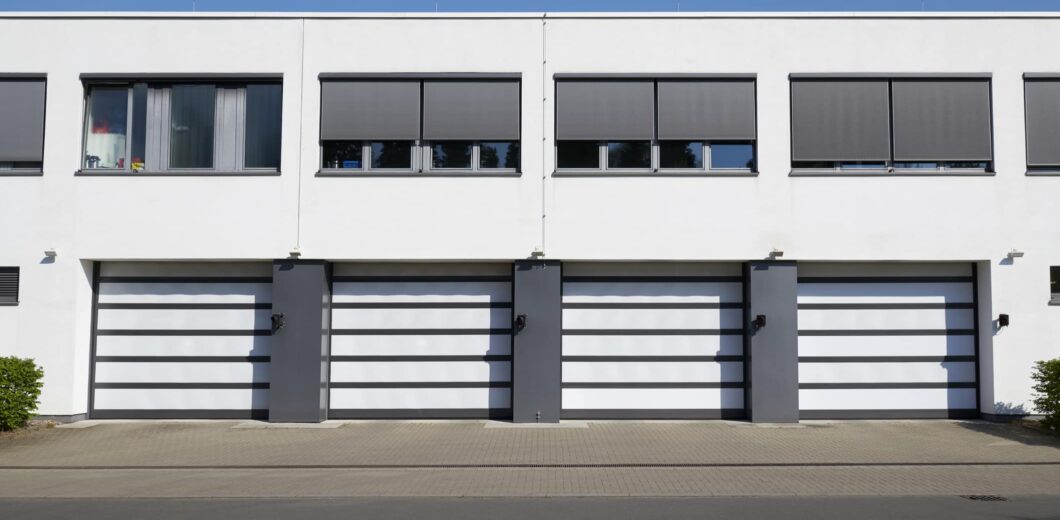
Choosing the right commercial garage door for a Parker, CO business depends on how the door will be used daily, what level of insulation the space requires, and how security and durability factor into the operation. Select Garage Doors helps Parker businesses evaluate their options and install commercial doors matched to their specific needs.
Contents
- How to Choose the Right Commercial Garage Door
- When to Upgrade Your Commercial Door
- Get the Right Door for Your Parker Business
- Frequently Asked Questions
A commercial garage door is not a one-size-fits-all purchase. The right door for a Parker auto service shop is different from the right door for a warehouse distribution center or a climate-controlled storage facility. The decision comes down to how often the door cycles, what passes through it, how much insulation the space requires, and what security level the business demands. Select Garage Doors works with Parker businesses to match the door to the operation, not the other way around.
This guide walks through the key factors that determine which commercial garage door is right for your business, with specific considerations for the Parker, CO and Denver metro commercial environment.
How to Choose the Right Commercial Garage Door
1. What Should I Consider Before Selecting a Commercial Door?
Start with three questions: how many times per day will this door open and close, what needs to pass through it (vehicles, forklifts, people, deliveries), and does the space behind it need temperature control? The answers to these questions narrow your options more effectively than browsing catalogs, because cycle count, clearance, and insulation requirements eliminate most options before aesthetics even enter the conversation.
A warehouse dock door that cycles 30 or more times per day needs a high-cycle motor and heavy-duty hardware that a door cycling five times a day does not. A fire station needs full vertical clearance and fast opening speed. A retail storage area might prioritize quiet operation and appearance over speed.
Parker businesses should also consider local building code requirements. Douglas County commercial construction standards may specify fire ratings, wind load ratings, or insulation minimums depending on the building type and zoning. A commercial garage door provider in Parker familiar with local requirements can flag these early in the selection process.
2. Which Material Is Best for a Commercial Garage Door?
Steel is the most common and most practical material for commercial garage doors in the Denver metro area. It offers the best combination of durability, security, insulation compatibility, and low maintenance cost. Aluminum is lighter and resists corrosion but dents more easily. Wood and fiberglass serve niche applications where appearance matters more than heavy-duty performance.
| Material | Durability | Insulation | Best For |
|---|---|---|---|
| Steel (single, double, or triple layer) | High | Good to excellent (R-6 to R-20+) | Warehouses, service bays, distribution |
| Aluminum | Moderate | Low to moderate | Showrooms, light commercial, corrosive environments |
| Wood | Moderate (requires maintenance) | Moderate | Architectural, retail-facing businesses |
| Fiberglass | Low to moderate | Low | Coastal or high-moisture environments |
For most Parker commercial applications, a double-layer or triple-layer steel door with polyurethane insulation is the standard recommendation. It handles Colorado’s temperature extremes, resists denting from daily commercial use, and provides the R-value needed to manage energy costs in heated or cooled spaces.
3. How Important Is Insulation for a Commercial Door in Parker?
In Parker’s climate, insulation is not optional for any commercial space that is heated, cooled, or temperature-sensitive. Winter temperatures regularly drop into the single digits, and summer highs push above 90. An uninsulated door in this environment acts as a massive thermal leak that drives up energy costs and makes the workspace uncomfortable for employees.
Insulation is measured by R-value. Higher R-values mean better thermal resistance. For most Parker commercial applications, an R-value between 12 and 18 provides a good balance between cost and performance. Climate-controlled warehouses and auto body shops that need consistent temperatures for paint work may need R-values above 18.
Polyurethane insulation outperforms polystyrene in commercial applications because the foam expands to fill every cavity in the door panel, creating a denser barrier with no air gaps. It also adds structural rigidity to the door, which reduces panel flex and noise during operation.
4. What Security Features Should a Commercial Door Have?
At minimum, a commercial garage door should have heavy-gauge steel panels, a reinforced bottom section, tamper-resistant brackets, and a motor with rolling-code technology that prevents signal interception. Businesses storing high-value inventory or equipment should also consider deadbolt locks, keypad access, and integration with the building’s security system.
Parker commercial properties that operate after hours or store inventory overnight need a door that resists forced entry. Thicker steel gauge (24-gauge or heavier) and reinforced panel joints make physical break-in significantly harder. A commercial-grade motor with battery backup ensures the door can be secured even during a power outage.
Access control is equally important. Multiple entry points should be managed through a single system that logs who opened which door and when. This level of documentation is valuable for both security and insurance purposes.
5. How Do I Choose the Right Cycle Rating for My Business?
Count how many times your door opens and closes on a typical business day, then multiply by 365. That gives you your annual cycle requirement. Match that number to a motor and spring system rated for at least 50,000 to 100,000 cycles to get a reasonable service life before major component replacement. Undersizing the cycle rating is the most common mistake businesses make.
A standard commercial operator rated for 50,000 cycles will last roughly five years if the door opens 25 times per day. A high-cycle operator rated for 100,000 cycles doubles that lifespan for the same usage pattern. The upfront cost difference is modest compared to the cost of premature operator replacement and the downtime that comes with it.
High-traffic facilities in the Parker area, such as distribution centers and multi-bay auto shops, should invest in high-cycle systems from the start. The savings in reduced maintenance and avoided downtime pay for the upgrade within the first few years. For businesses already dealing with an aging system, understanding commercial garage door repair options in Parker can help decide whether to repair the current door or invest in a replacement with the right specifications.
When to Upgrade Your Commercial Door
Consider replacing your commercial garage door when:
- Repair costs are approaching 50% of a new door’s price
- The door’s cycle rating has been exceeded and component failures are becoming frequent
- Energy costs are rising due to poor insulation or seal degradation
- The business has changed (higher traffic, different vehicle sizes, new security requirements)
- The door no longer meets current building code or fire rating requirements
A commercial garage door installation in Parker from a qualified provider includes proper sizing, code compliance verification, and motor matching to ensure the new door fits both the opening and the operation.
Get the Right Door for Your Parker Business
Choosing a commercial garage door is a decision that affects daily operations, energy costs, security, and long-term maintenance budgets. Getting it right the first time saves money and avoids the productivity losses that come with a mismatched door.
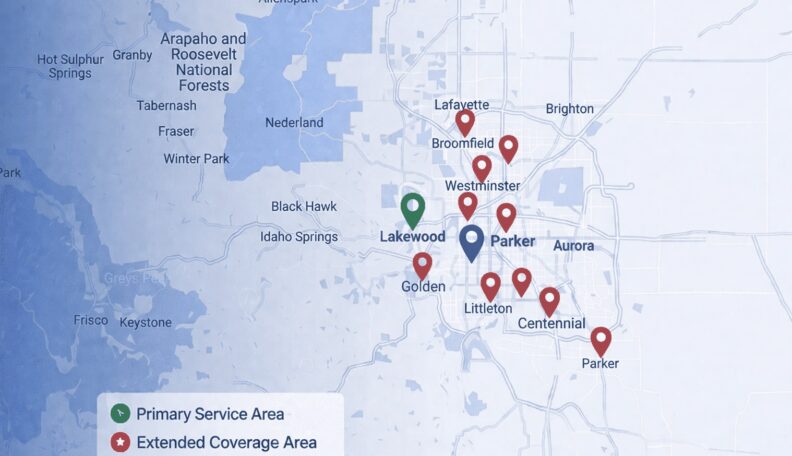
Select Garage Doors provides commercial door consultation, installation, and ongoing service for businesses across Parker and the Denver metro area. We serve Parker, Castle Rock, Greenwood Village, Lakewood, and the greater Denver metro area.
To discuss your commercial door needs or schedule a site assessment, call 720-339-2442 or request a consultation online.
Frequently Asked Questions
How long does a commercial garage door last?
A well-maintained commercial steel door typically lasts 15 to 30 years. The operator and springs will need replacement sooner, usually every 7 to 15 years depending on cycle count and maintenance.
What R-value do I need for my commercial door in Parker?
For heated or cooled commercial spaces in Parker, an R-value between 12 and 18 is standard. Temperature-sensitive environments like auto body shops or cold storage may need R-18 or higher.
Can I retrofit insulation to an existing commercial door?
In some cases, yes. Insulation kits can be added to single-layer steel doors. However, retrofitted insulation rarely matches the R-value or structural benefit of a factory-insulated door, and it may affect the door’s balance and warranty.
How do I know if my commercial door is the right size?
Measure the clear opening width and height, then add clearance for the largest vehicle or equipment that needs to pass through. A commercial door provider can verify that the opening, headroom, and side room meet the specifications for the door type you need.


Looking for a deal?
Call us or to learn about our current promotions and seasonal offers.


Service Area: 50+ Cities Across Metro Denver
Select Your Nearest Location
Hours: Mon-Fri 8am-5pm
Sunday Emergency Only
Avg Response Time: 18 minutes
Hours: Mon-Fri 8am-5pm
Sunday Emergency Only
Avg Response Time: 18 minutes
Hours: Mon-Fri 8am-5pm
Sunday Emergency Only
Avg Response Time: 18 minutes
Hours: Mon-Fri 8am-5pm
Sunday Emergency Only
Avg Response Time: 18 minutes
Hours: Mon-Fri 8am-5pm
Sunday Emergency Only
Avg Response Time: 18 minutes
Hours: Mon-Fri 8am-5pm
Sunday Emergency Only
Avg Response Time: 18 minutes
Hours: Mon-Fri 8am-5pm
Sunday Emergency Only
Avg Response Time: 18 minutes
Hours: Mon-Fri 8am-5pm
Sunday Emergency Only
Avg Response Time: 18 minutes
Hours: Mon-Fri 8am-5pm
Sunday Emergency Only
Avg Response Time: 18 minutes
Hours: Mon-Fri 8am-5pm
Sunday Emergency Only
Avg Response Time: 18 minutes
Hours: Mon-Fri 8am-5pm
Sunday Emergency Only
Avg Response Time: 18 minutes
Hours: Mon-Fri 8am-5pm
Sunday Emergency Only
Avg Response Time: 18 minutes
Hours: Mon-Fri 8am-5pm
Sunday Emergency Only
Avg Response Time: 18 minutes
Hours: Mon-Fri 8am-5pm
Sunday Emergency Only
Avg Response Time: 18 minutes
Hours: Mon-Fri 8am-5pm
Sunday Emergency Only
Avg Response Time: 18 minutes
We Service: Parker, Castle Rock, Greenwood Village, Lakewood, Littleton, Centennial, Highlands Ranch 40+ More Cities