
Garage Door Security in Parker, CO for Safer Home Protection
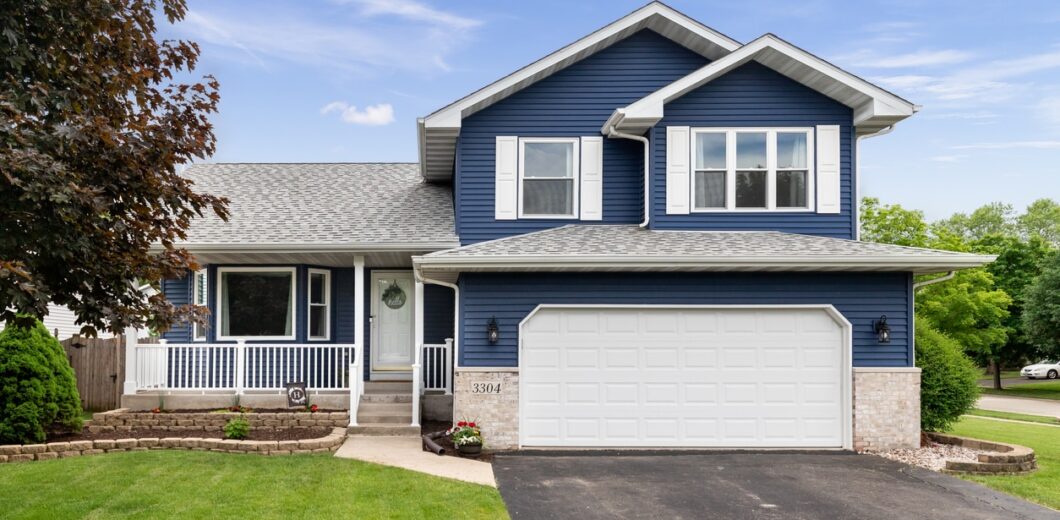
Garage door security works in layers, not single locks. A motion light alone deters opportunistic break-ins but does nothing against a thief with a code-grabber. A smart opener with rolling codes blocks remote attacks but does not stop the coat-hanger trick on the emergency release. The doors that hold up best run three or four layers together, so a thief who beats one runs into the next.
At Select Garage Doors, we are a veteran-owned shop based in Parker, CO that installs and upgrades garage door security across the Denver Metro area. Our team works with the major smart-opener brands and the physical hardware (deadbolts, shield kits, reinforced rollers) that closes the gaps a smart opener alone leaves open. If you are upgrading the security around your garage right now, start with Select Garage Doors for the install backed by our 100% Satisfaction Guarantee.
The Most Common Garage Entry Methods Burglars Use
Most garage break-ins follow one of four patterns. None of them require sophisticated tools, which is why every layer of the security stack matters.
How break-ins actually happen at residential garages:
- The emergency release cord pull (a string with a hook fed through the top of the door and used to trigger the manual release)
- Code grabbing on older fixed-code openers (a small radio that captures and replays the remote signal)
- Brute physical entry on a single-layer door panel (kicked, pried, or driven through)
- Walk-in through an unlocked door after the door was left open accidentally and not closed remotely
Most upgrades address one or two of these patterns. The full-stack approach addresses all four.
Lock and Reinforcement Upgrades for the Door Itself
The door itself is where physical security starts. Most stock residential doors ship with light hardware that addresses the everyday case but not a determined attempt. Adding hardware here is some of the cheapest and most effective security spending you will do.
Physical Security Upgrades Worth Considering
- A side-mount or jamb-mount deadbolt that locks the door into the track rather than the panel
- A “shield” kit over the emergency release that prevents the coat-hanger pull
- Reinforced bottom-bracket bolts that resist pry attacks at the bottom panel
- A second interior lock at the panel-to-track joint, engaged when leaving for extended periods
- An L-bracket or floor anchor for older single-panel tilt-up doors that lack track engagement
Call for a free estimate.
Smart Opener and Code Security
Modern openers shipped after the mid-2000s use rolling-code encryption that generates a new authorization code every time the door is operated.
Worth doing on the opener side:
- Confirm your opener uses rolling-code encryption (LiftMaster Security+, Genie Intellicode, Chamberlain Security+ 2.0 all qualify)
- Replace a pre-2000 fixed-code opener with a modern brand-name unit
- Enable two-factor authentication on any smart-opener app that supports it
- Set a strong wireless network password (the most common smart-opener vulnerability is a weak Wi-Fi password, not the opener itself)
- Keep the opener firmware updated; most brand-name apps auto-update by default
Smart openers add real security when paired with strong network hygiene. They become a liability when the network they run on is wide open.
Sensor, Lighting, and Camera Layer
The last layer is detection and deterrence. A break-in attempt is more likely to be aborted when the attacker knows they are being watched, recorded, or about to be lit up.
What this layer covers:
- Motion-activated LED flood lights aimed at both garage approaches (driveway and pedestrian side door)
- A garage-pointed camera with motion-triggered recording and phone alerts
- Tilt sensors on the door that push notifications when the door opens unexpectedly
- A smart hub that closes the door automatically after a set time if it is left open
- Window covering or frosting on any garage windows that face the street
Most of this layer integrates with the same smart-opener app you set up in the previous section.
Where Each Security Layer Falls on Cost vs. Impact
Not every layer is worth the same amount of money. Some upgrades return outsized value for the cost; others are nice-to-have polish. The table below ranks the common security additions by typical cost, install difficulty, and how much actual deterrence they add.
Garage Door Security Layer Comparison
| Security Layer | Typical Cost | Install Difficulty | Deterrence Impact |
|---|---|---|---|
| Emergency release shield kit | Call for a free estimate. | DIY, 15 minutes | High (closes the coat-hanger attack) |
| Rolling-code opener (if outdated) | Call for a free estimate. | Tech install, 2 to 3 hours | High (closes the code-grabber attack) |
| Motion-activated flood lighting | Call for a free estimate. | DIY or electrician | Medium-High |
| Side-mount jamb deadbolt | Call for a free estimate. | DIY or tech | Medium-High |
| Smart-opener app and tilt sensor | Call for a free estimate. | DIY, under 1 hour | Medium (improves awareness) |
| Garage-pointed camera | Call for a free estimate. | DIY, 1 to 2 hours | Medium (recording, not deterrent alone) |
| Reinforced bottom bracket | Call for a free estimate. | Tech install | Low-Medium (specific pry-attack) |
Start with the high-impact rows at the top, then add lower-impact layers as budget allows.
How to Build a Garage Security Stack That Actually Holds
Run through the four entry patterns at the top of this page. Match a layer from the table to each pattern your current setup does not cover, and prioritize the high-impact rows first. Three or four layers stacked is the security setup that holds up to opportunistic break-ins and most determined attempts.
Our veteran-owned team installs the full stack out of our Parker, CO shop, including emergency release shields, rolling-code opener swaps, tilt sensors, and the smart-home integrations that tie it all together. We cover Parker garage door service plus the broader Denver Metro service area.
Call (720) 339-2442 to schedule a security audit, ask which layers fit your existing setup, or request a written upgrade scope.
Frequently Asked Questions
What is the most common way burglars get into a garage?
The most common attacks involve the emergency release cord (pulled with a hooked string fed through the top of the door), code-grabbers that capture and replay older fixed-code opener signals, brute physical entry on single-layer panels, and walk-ins through doors left open by accident. Each can be addressed with a specific security layer.
What is the emergency release “coat hanger” trick?
Burglars feed a hooked string or wire through the gap at the top of the garage door, snag the emergency release cord, and pull it to disengage the opener. Once disengaged, the door lifts manually.
How do I know if my garage door opener uses rolling-code encryption?
Look for “Security+”, “Intellicode”, or “Security+ 2.0” branding on the opener or in the manual. Openers manufactured by major brands after about 2005 default to rolling-code. Pre-2000 openers usually use fixed codes that are vulnerable to code-grabbers and should be replaced for security reasons alone.
Should I add a deadbolt to my garage door?
Yes, especially on older single-panel doors and on doors used as a primary entry point. A side-mount or jamb-mount deadbolt locks the door into the track rather than the panel, which resists both pry attacks and emergency-release pulls.
Do smart garage door openers improve security or weaken it?
Smart openers improve security when paired with strong Wi-Fi password protection, two-factor authentication on the app, and current firmware. They become a liability only when the network is poorly secured, and most modern smart openers ship with hardened defaults that match or exceed traditional opener security.
What lighting setup deters garage break-ins best?
Motion-activated LED flood lights aimed at the driveway approach and any pedestrian side entry to the garage are the most effective. Combined with a visible garage-pointed camera, the lighting layer alone reduces opportunistic attempts significantly.
How much does a full garage door security upgrade cost in Parker, CO?
Call for a free estimate.
Should I keep my garage door locked when I am home?
Yes for any extended absence (overnight, work travel, vacation). The jamb deadbolt is the lock to engage in those cases. For routine daily use, the modern opener’s rolling-code authentication plus a tilt sensor for awareness is usually sufficient.

Looking for a deal?
Call us or to learn about our current promotions and seasonal offers.


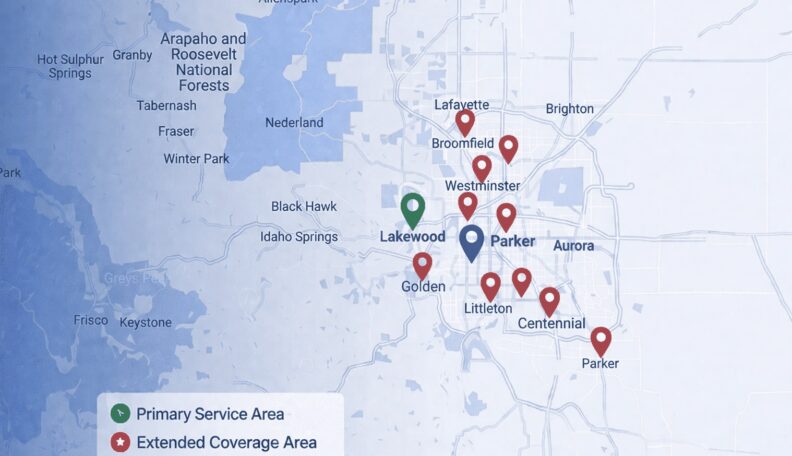
Service Area: 50+ Cities Across Metro Denver
Select Your Nearest Location
Hours: Mon-Fri 8am-5pm
Sunday Emergency Only
Avg Response Time: 18 minutes
Hours: Mon-Fri 8am-5pm
Sunday Emergency Only
Avg Response Time: 18 minutes
Hours: Mon-Fri 8am-5pm
Sunday Emergency Only
Avg Response Time: 18 minutes
Hours: Mon-Fri 8am-5pm
Sunday Emergency Only
Avg Response Time: 18 minutes
Hours: Mon-Fri 8am-5pm
Sunday Emergency Only
Avg Response Time: 18 minutes
Hours: Mon-Fri 8am-5pm
Sunday Emergency Only
Avg Response Time: 18 minutes
Hours: Mon-Fri 8am-5pm
Sunday Emergency Only
Avg Response Time: 18 minutes
Hours: Mon-Fri 8am-5pm
Sunday Emergency Only
Avg Response Time: 18 minutes
Hours: Mon-Fri 8am-5pm
Sunday Emergency Only
Avg Response Time: 18 minutes
Hours: Mon-Fri 8am-5pm
Sunday Emergency Only
Avg Response Time: 18 minutes
Hours: Mon-Fri 8am-5pm
Sunday Emergency Only
Avg Response Time: 18 minutes
Hours: Mon-Fri 8am-5pm
Sunday Emergency Only
Avg Response Time: 18 minutes
Hours: Mon-Fri 8am-5pm
Sunday Emergency Only
Avg Response Time: 18 minutes
Hours: Mon-Fri 8am-5pm
Sunday Emergency Only
Avg Response Time: 18 minutes
Hours: Mon-Fri 8am-5pm
Sunday Emergency Only
Avg Response Time: 18 minutes
We Service: Parker, Castle Rock, Greenwood Village, Lakewood, Littleton, Centennial, Highlands Ranch 40+ More Cities