


Your Seasonal Garage Door Maintenance Checklist for Parker, CO
Key Takeaways
- A consistent maintenance routine helps Parker, CO homeowners catch small problems before they become costly repairs. Two full checks per year, spring and fall, covers most of what can go wrong.
- The five core checks are: visible damage inspection, door balance test, safety feature test, weatherstripping condition, and seal integrity for pest prevention.
- Parker’s wide temperature swings between seasons put real stress on springs, lubricants, and weatherstripping. Seasonal timing matters more here than in more stable climates.
- Most checklist tasks are safe for homeowners to do themselves. Spring tension adjustment and cable work should always go to a trained technician.
- Select Garage Doors offers professional tune-up service throughout Parker, CO and the Denver metro, covering every item on this checklist in a single visit.
Table of Contents
A well-maintained garage door doesn’t just work better. It lasts longer, runs quieter, and gives you fewer expensive surprises. Select Garage Doors has seen firsthand how a simple twice-yearly routine keeps systems running strong for years past what neglected doors manage. This checklist is built for Parker, CO homeowners who want to stay ahead of the common failure points before they become urgent repairs.
Parker’s climate makes seasonal maintenance more than just a good habit. The Front Range sees wide temperature swings between seasons, and those swings put real stress on metal components, lubricants, and weatherstripping. A door that performs fine in August can struggle the first time temps drop below freezing. Knowing what to check, and when, changes the outcome.
This guide walks through what to inspect, how to do it safely, and which season each task matters most. If you find something that needs a trained set of hands, we’re ready to help.
1. Why Regular Maintenance Matters for Garage Doors in Parker, CO
Skipping garage door maintenance in Parker, CO turns small problems into expensive ones. Springs, cables, rollers, tracks, and sensors work together as a system. When one part wears down without being caught early, it shifts load onto the parts around it and accelerates failure across the board. Regular checks interrupt that chain before it becomes a repair bill you weren’t planning for.
A roller that breaks and derails the door can damage the track, strain the cables, and jam the opener in a single event. The economics of staying on top of maintenance are straightforward.
Parker’s seasonal temperature changes add a layer of urgency. Metal contracts in cold weather, making springs and cables more brittle. Lubricants thicken and lose their effectiveness. A system that’s already showing wear going into November is a much higher risk of failure in January when you need it most.
2. Your Core Garage Door Maintenance Checklist for Parker, CO
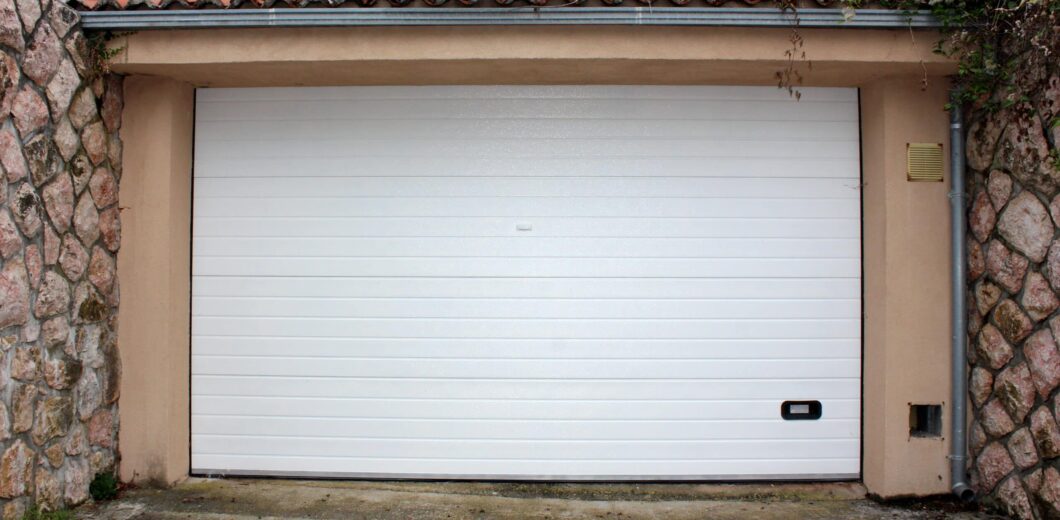
A complete garage door maintenance checklist for Parker, CO covers five areas: visible damage inspection, door balance test, safety feature check, weatherstripping condition, and seal integrity for pest prevention. Working through all five twice a year, in spring and fall, catches the most common failure points before they affect daily operation or become safety concerns.
1. Check for visible signs of damage. Look over the door panels, springs, cables, and rollers for rust, dents, fraying, or cracking. Tighten any loose screws or bolts on the hardware and check that the tracks are properly aligned on both sides. If the tracks look bent or the rollers are wobbling on their stems, don’t force the door. Call for service before using it again.
2. Test the door balance. Disconnect the opener by pulling the emergency release cord, then lift the door manually to about waist height and let go. A properly balanced door stays in position. If it drops or rises on its own, the spring tension is off and needs professional adjustment. Running an unbalanced door puts unnecessary strain on the opener motor and accelerates wear on the cables.
3. Check safety features. Look for anything blocking the door’s travel path when opening or closing. Test the auto-reverse by placing a 2×4 flat on the ground in the door’s path and closing it. The door should reverse on contact. Check that the photo eyes at the base of the door opening are clean and properly aligned. A blinking or off indicator light means they need adjustment.
4. Inspect weatherstripping. Check the rubber seal along the bottom, top, and sides of the door for cracking, gaps, or brittleness. In Parker, CO, weatherstripping dries out faster due to low humidity and UV exposure. Replace any sections that no longer make full contact with the door frame. Good sealing keeps out drafts, moisture, and pests.
5. Look for gaps and entry points. Inspect the bottom seal and the door’s exterior frame for holes, gaps, or damaged sections that could allow rodents access to your garage. Mice can fit through surprisingly small openings, and a garage that connects to the home interior is a real entry point if the door isn’t properly sealed along the bottom and sides.
3. Seasonal Timing: When to Do Each Task in Parker, CO
For Parker, CO homes, spring and fall are the two best windows for a full garage door maintenance check. Spring catches any damage from winter, including cold-stressed springs, dried weatherstripping, and accumulated debris in the tracks. Fall prepares the system before temperatures drop again. Light monthly checks (listening for unusual noise, clearing debris from the tracks) keep you aware between those two main sessions.
Spring (March-May): After Parker’s cold months, spring is the time to look for components that were stressed by freezing temperatures. Inspect springs and cables for visible wear or corrosion. Lubricate all moving parts (rollers, hinges, springs) with a proper garage door lubricant, not WD-40. Check weatherstripping for any cracking caused by winter dryness. Run the full five-point checklist above and schedule service if anything looks off.
Summer (June-August): Heat in Parker can affect the opener’s circuit board and cause intermittent issues that look like remote or sensor problems. If the opener is acting up on hot afternoons, let it cool down and retest before assuming a hardware failure. Clean the photo eye lenses, which collect dust faster in dry summer conditions. Check the bottom seal for cracking from UV exposure and direct sun.
Fall (September-November): The fall check is the most valuable one of the year for Parker, CO homeowners. Lubricate everything before temperatures drop. Inspect weatherstripping and replace any sections that won’t seal properly against cold air. Test the balance. A door that’s borderline in October will be a problem in January. If you haven’t had a professional tune-up in over a year, fall is the right time to schedule one.
Winter (December-February): Winter maintenance is mostly reactive. Don’t force a door open if it’s frozen to the ground. This can snap the spring or strip the opener’s drive gear. Clear ice and snow from the bottom seal area before operating the door. If the opener is struggling in cold weather, check whether the lubricant has thickened and avoid running the door repeatedly in quick succession, which can overheat a cold motor.
DIY Maintenance vs. Professional Service in Parker, CO
Parker, CO homeowners can safely handle most checklist tasks on their own: visual inspections, lubrication, sensor cleaning and realignment, weatherstripping replacement, tightening loose hardware, and the balance test. Spring tension adjustment, cable replacement, and any work near the opener’s wiring should always go to a trained technician. Those repairs carry real injury risk if handled without the right tools and training.
The balance test is one of the most useful things you can do yourself. If the door doesn’t hold position when lifted halfway, that’s a clear signal to schedule a spring adjustment before the spring fails completely. Catching it that way is far less disruptive than dealing with a sudden failure on a weekday morning.
For a practical breakdown of what to use, how often, and what to watch for between professional visits, our guide on easy garage door maintenance tips for a longer-lasting system covers the day-to-day side of keeping your door in good shape.
Select Garage Doors offers annual tune-up service throughout Parker, CO. A single visit covers a full inspection, lubrication of all moving parts, balance check, hardware tightening, and safety sensor test. Everything on this checklist gets done by a technician who knows what to look for. Get a free quote or call us at 720-339-2442 to get on the schedule.
If you’re in Parker, Castle Rock, Greenwood Village, Lakewood, or anywhere across the Denver metro, our technicians are ready to help.
Frequently Asked Questions
How often should I lubricate my garage door in Parker, CO?
Twice a year is the standard recommendation for most Parker, CO homes: once in spring and once in fall before temperatures drop. If your door sees heavy daily use or runs loudly between those intervals, an extra application mid-year doesn’t hurt. Apply lubricant to the springs, rollers, hinges, and the stem of each roller, but keep it off the tracks themselves.
What type of lubricant should I use on my garage door?
Use a dedicated garage door lubricant or white lithium grease. Avoid WD-40. It’s a water displacer and cleaner, not a long-term lubricant, and it can actually dry out rubber components over time. Most hardware stores carry garage door lubricant in a spray can, which makes it easy to get into tight spots on rollers and hinges without over-applying.
How do I know if my garage door spring needs professional attention in Parker, CO?
If the balance test shows the door rising or dropping on its own when held at mid-height, the spring tension is off and needs professional adjustment. Also look for a visible gap in the coil of a torsion spring (the horizontal spring above the door), which means it has snapped. Visible corrosion, deformation, or a spring that looks stretched beyond its normal coil spacing are all reasons to call a technician before the spring fails completely.
Can I replace my own weatherstripping in Parker, CO?
Yes, replacing bottom and side weatherstripping is a straightforward DIY task for most Parker homeowners. The bottom seal slides into a track along the bottom of the door and can be replaced without tools in most cases. Side and top seals are typically nailed or stapled in place. Measure carefully before purchasing a replacement, as seal profiles vary by door brand and age. If the door frame itself is damaged, have a technician assess it first.
What does the garage door balance test tell me?
The balance test tells you whether your springs are providing the right amount of counterbalance for your door’s weight. A balanced door holds position when lifted to mid-height because the spring tension equals the door’s weight at that point. If it drops, the springs are under-tensioned. If it rises, they’re over-tensioned. Either condition puts extra strain on the opener motor and accelerates wear on the cables and drums.
How long does a professional garage door tune-up take in Parker, CO?
Most professional garage door tune-ups in Parker, CO take between 45 minutes and 90 minutes, depending on the size of the door and what the technician finds during the inspection. A standard visit includes a full inspection of all mechanical components, lubrication, hardware tightening, balance adjustment, and a safety reverse test. If a part needs replacement, the technician will give you a quote on the spot before doing any additional work.
Is annual garage door maintenance worth it in Parker, CO?
Yes, for most Parker, CO homeowners it is. The cost of a professional tune-up is typically well below the cost of a single repair call for a component that failed because it wasn’t caught early. Beyond the cost savings, a well-maintained door operates more quietly, responds more reliably, and poses less of a safety risk than one that’s been ignored. For a door that sees daily use, the math strongly favors staying on a regular maintenance schedule.

Looking for a deal?
Call us or to learn about our current promotions and seasonal offers.


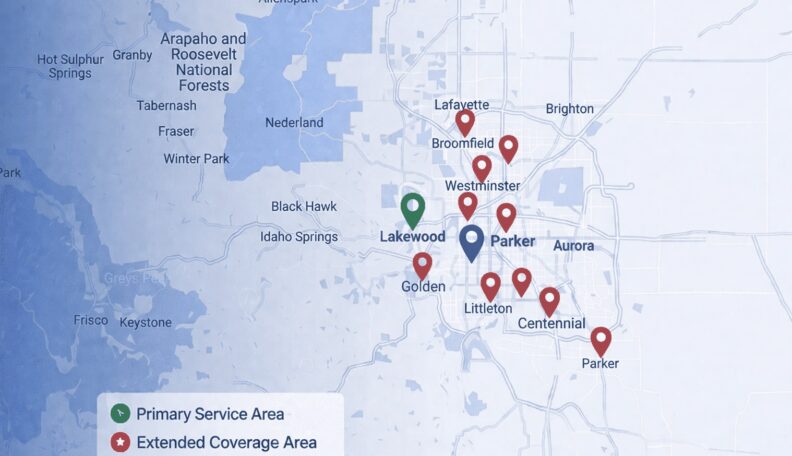
Service Area: 50+ Cities Across Metro Denver
Select Your Nearest Location
Hours: Mon-Fri 8am-5pm
Sunday Emergency Only
Avg Response Time: 18 minutes
Hours: Mon-Fri 8am-5pm
Sunday Emergency Only
Avg Response Time: 18 minutes
Hours: Mon-Fri 8am-5pm
Sunday Emergency Only
Avg Response Time: 18 minutes
Hours: Mon-Fri 8am-5pm
Sunday Emergency Only
Avg Response Time: 18 minutes
Hours: Mon-Fri 8am-5pm
Sunday Emergency Only
Avg Response Time: 18 minutes
Hours: Mon-Fri 8am-5pm
Sunday Emergency Only
Avg Response Time: 18 minutes
Hours: Mon-Fri 8am-5pm
Sunday Emergency Only
Avg Response Time: 18 minutes
Hours: Mon-Fri 8am-5pm
Sunday Emergency Only
Avg Response Time: 18 minutes
Hours: Mon-Fri 8am-5pm
Sunday Emergency Only
Avg Response Time: 18 minutes
Hours: Mon-Fri 8am-5pm
Sunday Emergency Only
Avg Response Time: 18 minutes
Hours: Mon-Fri 8am-5pm
Sunday Emergency Only
Avg Response Time: 18 minutes
Hours: Mon-Fri 8am-5pm
Sunday Emergency Only
Avg Response Time: 18 minutes
Hours: Mon-Fri 8am-5pm
Sunday Emergency Only
Avg Response Time: 18 minutes
Hours: Mon-Fri 8am-5pm
Sunday Emergency Only
Avg Response Time: 18 minutes
Hours: Mon-Fri 8am-5pm
Sunday Emergency Only
Avg Response Time: 18 minutes
We Service: Parker, Castle Rock, Greenwood Village, Lakewood, Littleton, Centennial, Highlands Ranch 40+ More Cities