



- Home > R-Value and Energy Savings Garage Doors Parker






Key Takeaways
- R-Value measures a garage door’s insulation effectiveness—higher R-Value means better thermal resistance. Parker’s extreme temperature swings make R-Value critical: summer heat and winter freeze-thaw cycles stress uninsulated doors heavily.
- Uninsulated garage doors allow 30 to 50 percent of home heating and cooling energy to escape through the garage, making them one of the biggest energy leaks in Colorado homes.
- An insulated garage door with R-Value 12 to 18 can reduce heating and cooling costs by 15 to 30 percent annually in Parker, depending on your garage’s exposure and climate control usage.
- The payback period for upgrading to an insulated garage door in Parker is typically 5 to 8 years through energy savings, plus you gain improved durability and noise reduction.
- Parker’s high elevation, intense summer UV, and brutal winter conditions make insulated garage doors an investment in both energy efficiency and long-term door longevity.
- Select Garage Doors can help you choose the right R-Value for your Parker home and ensure proper installation to maximize energy savings.
Table of Contents
- What Is R-Value and Why It Matters for Your Parker Garage
- How R-Value Is Measured and What the Numbers Mean
- Energy Loss Through Uninsulated Garage Doors
- Parker’s Climate and Why Insulation Is Critical
- R-Value Options and How to Compare Them
- Energy Savings and Return on Investment
- Proper Installation and Maintenance for Maximum Efficiency
- Deepen Your Knowledge: Related Articles
- Frequently Asked Questions
What Is R-Value and Why It Matters for Your Parker Garage
R-Value is a measure of thermal resistance. The higher the R-Value, the better the material resists heat flow. For garage doors in Parker, CO, R-Value is one of the most important factors determining how much energy your home loses or gains through the garage. An uninsulated steel garage door might have an R-Value near zero. An insulated door with polyurethane foam can reach R-Value 18 or higher, making it 18 times more resistant to heat transfer than an uninsulated door.
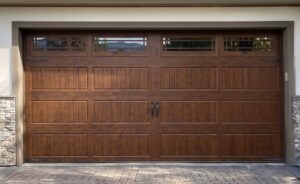
Your garage isn’t just a place to park cars. It’s an extension of your home envelope. If you live in Parker and your garage is attached, every degree of temperature difference between the garage and your living spaces costs you energy. In summer, an uninsulated garage can hit 130 degrees or higher, radiating heat through shared walls into your air-conditioned home. In winter, that same garage becomes a cold buffer, and heat escapes through the garage door constantly. R-Value directly controls how much of that energy transfer happens.
Think of R-Value like a barrier between your conditioned living space and the outside world. The thicker and more efficient the barrier, the less work your HVAC system has to do. Understanding how insulated garage doors manage Parker’s summer heat is the first step toward making an energy-smart choice.
How R-Value Is Measured and What the Numbers Mean
R-Value is measured in British Thermal Units (BTUs) per hour per square foot per degree Fahrenheit. It’s a standardized metric that tells you how much thermal resistance a material provides. For garage doors, R-Value typically ranges from 0 (uninsulated steel) to 18 or higher (high-end polyurethane-insulated doors). Every point of R-Value represents one unit of resistance to heat flow.

Garage door R-Value is calculated based on the insulation material and thickness inside the door. Polyurethane foam has a higher R-Value per inch than polystyrene or fiberglass. A door with 2 inches of polyurethane insulation might achieve R-Value 12. A door with 2.5 inches could reach R-Value 15. The thicker the insulation, the higher the R-Value, up to a practical limit where the door becomes too heavy or expensive.
For Parker and Colorado, industry standards suggest R-Value 12 is the minimum for energy efficiency, R-Value 15 is optimal, and R-Value 18 is premium. Your choice depends on your home’s layout, how much you use the garage, and how much you want to invest in long-term energy savings. A garage that’s fully conditioned (heated and cooled as living space) needs higher R-Value than an unheated storage garage. A garage opening onto your kitchen needs higher R-Value than one on the far side of the house.
Energy Loss Through Uninsulated Garage Doors
The garage door is often the largest single opening in your home’s exterior envelope. An uninsulated garage door in Parker can account for 30 to 50 percent of all heating and cooling energy lost through the garage. That’s equivalent to leaving a window open year-round. Every time your air conditioner runs in summer or your furnace kicks on in winter, some of that energy goes straight out through the uninsulated garage door.
Here’s the physics: heat flows from warm to cold, always. In summer, the 130-degree garage radiates heat through the uninsulated door into your home. In winter, the 20-degree or colder garage pulls heat from your living spaces through shared walls. An uninsulated door does nothing to slow that heat transfer. A properly insulated door with R-Value 15 reduces that heat transfer by 93 percent or more, dramatically reducing the load on your HVAC system.
The energy loss multiplies quickly in a household that uses the garage regularly. If your garage is conditioned (heated or cooled), every degree of insulation loss costs you year-round. If it’s unconditioned, the loss is still significant whenever there’s a temperature difference between inside and outside, which in Parker is most of the year.
Parker’s Climate and Why Insulation Is Critical
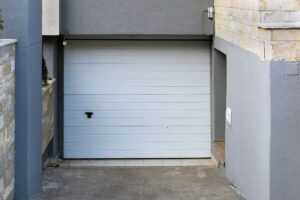
Parker sits at an elevation of 5,870 feet in Douglas County, where the climate is extreme by most standards. Summer temperatures regularly exceed 90 degrees, sometimes reaching the mid-90s or higher. Winters can drop to well below zero, with temperature swings of 40, 50, or even 60 degrees between day and night. These swings put mechanical stress on uninsulated garage doors and make insulation far more valuable than in moderate climates.
Colorado’s freeze-thaw cycles are particularly harsh on uninsulated doors. In winter, moisture in the air condenses on an uninsulated garage door interior. When the door is opened, cold air rushes in, and that moisture can freeze. Each night it freezes, each day it thaws. Over hundreds of cycles across a Colorado winter, this stress weakens the door’s structure and seals. An insulated door stays warmer internally, reducing condensation and freeze-thaw damage dramatically.
Summer heat in Parker is equally demanding. Uninsulated steel doors absorb solar radiation and can reach temperatures that soften adhesives and stress opener motors. An insulated door reflects and absorbs less heat, staying cooler and putting less stress on the door’s components and your opener. The durability benefit alone, preventing premature door failure, can justify the R-Value investment, even before considering energy savings.
Parker’s high elevation also means intense UV exposure. Lower atmospheric density means less filtering of ultraviolet rays. Uninsulated doors fade, crack, and degrade faster under Colorado’s intense sun. Insulated doors, properly maintained, last significantly longer in these conditions.
R-Value Options and How to Compare Them
When choosing a garage door R-Value in Parker, you’re balancing three factors: upfront cost, long-term energy savings, and durability. Uninsulated doors cost the least initially but offer no energy benefit and degrade quickly. Insulated doors cost more upfront but pay dividends through lower utility bills and longer lifespan.
**R-Value 0 (Uninsulated Steel or Aluminum):** Cheapest option. No thermal resistance. Not recommended for Parker homes. You’ll experience maximum energy loss, temperature-driven structural stress, and likely need replacement within 10 to 15 years.
**R-Value 6 to 9 (Basic Foam Insulation):** Mid-range option. Single-layer or thin foam insulation. Provides some benefit in moderate climates but falls short for Parker’s extremes. Better than uninsulated, but not optimal for Colorado.
**R-Value 12 to 15 (Standard Polyurethane):** Industry-recommended for Colorado. Provides excellent thermal resistance, good durability, and solid energy savings. Sweet spot for most Parker homeowners balancing cost and benefit.
**R-Value 16 to 18+ (Premium Polyurethane):** Maximum efficiency. Highest upfront cost. Recommended for garage-adjacent living spaces, fully conditioned garages, or homeowners prioritizing maximum energy savings and door longevity.
| R-Value Range | Insulation Type | Parker Suitability | Estimated Annual Savings |
|---|---|---|---|
| 0 (None) | Uninsulated steel or aluminum | Not recommended | Call for a free estimate. |
| 6-9 | Basic single-layer foam | Minimal improvement | Call for a free estimate. |
| 12-15 | Standard polyurethane | Highly recommended | Call for a free estimate. |
| 16-18+ | Premium polyurethane | Excellent for all situations | Call for a free estimate. |
Energy Savings and Return on Investment
An insulated garage door investment pays for itself over time through reduced energy costs. This means payback in 5 to 8 years, after which you’re simply saving money every year.
The calculation is straightforward: Parker’s heating and cooling costs are higher than many parts of the country due to extreme seasonal temperatures. An uninsulated garage door loses energy every day of the year. An insulated door dramatically reduces that loss.
Beyond energy savings, insulation provides secondary benefits: durability (insulated doors resist freeze-thaw damage and UV degradation), noise reduction (foam dampens sound from the opener and outside), and improved comfort (less temperature transfer through shared walls). If you stay in your Parker home long enough to enjoy the full payback period, the investment is financially sound. If you’re planning to sell within 5 years, the energy savings alone may not justify the upfront cost—though a newer, better-insulated garage door is still an attractive feature to buyers.
Proper Installation and Maintenance for Maximum Efficiency
R-Value is only effective if the insulation is properly installed and the door is well-sealed. A garage door with high R-Value but poor seals is like a well-insulated wall with gaps. Air leaks around the door frame and panel edges defeat much of the insulation’s benefit. Professional installation and regular maintenance are critical.
**Installation:** The garage door itself must be properly sealed to the frame. Weather stripping around the perimeter reduces air leaks. The seal between the door and floor should be tight. Professional installation ensures these details are correct. DIY installation of an insulated door often results in poor seals and reduced efficiency.
**Maintenance:** Inspect weather stripping annually, especially after Parker’s harsh winters. Replace any worn stripping. Check for gaps around the frame and seal them. Keep the door clean to prevent dirt from interfering with seals. Have the opener serviced annually to ensure it operates smoothly and doesn’t have to strain (reduced strain extends door life and maintains efficiency).
**Opener Compatibility:** An insulated door is heavier than an uninsulated door. If your existing opener is old or undersized, it may struggle with an insulated door. When upgrading to an insulated door in Parker, consider whether your opener needs upgrading too. A new, properly sized opener ensures reliable operation and protects your investment.
Frequently Asked Questions
What R-Value garage door do I need for Parker, Colorado?
For Parker, R-Value 12 to 15 is recommended as the minimum for energy efficiency. If your garage is adjacent to living spaces or is conditioned (heated or cooled), R-Value 15 or higher is optimal. If your garage is detached and unconditioned, R-Value 12 provides solid value. Parker’s extreme climate (heat and cold, freeze-thaw cycles, intense UV) justifies prioritizing insulation more than in moderate climates.
How much will an insulated garage door save me each month?
Energy savings depend on several factors: whether your garage is conditioned, how often you open and close the door, your home’s layout, and your local energy rates.
Is a higher R-Value always better?
Higher R-Value means better insulation, but the law of diminishing returns applies. R-Value 15 provides excellent efficiency at reasonable cost. R-Value 18 provides marginal additional benefit for significantly higher price. For most Parker homes, R-Value 12 to 15 is the optimal balance. R-Value 18 is worthwhile only if your garage is fully conditioned or directly adjacent to primary living spaces.
Do insulated garage doors reduce noise?
Yes. The foam insulation in a high R-Value door dampens sound from the opener motor and reduces outside noise transmission. An insulated door is noticeably quieter than an uninsulated door, especially when opening and closing. This is a secondary benefit beyond energy savings.
How long does an insulated garage door last in Parker’s climate?
Properly maintained, an insulated garage door lasts 15 to 20 years or more in Parker. The insulation protects against freeze-thaw damage and UV degradation that shortens uninsulated door lifespan to 10 to 15 years. Regular maintenance of weather stripping and seals extends the life further. An insulated door is an investment in durability as well as energy efficiency.
Can I add insulation to my existing garage door?
Retrofit insulation kits exist but are rarely effective. They don’t seal air gaps properly, and the added weight can stress older openers. For Parker’s climate, replacement with a factory-insulated door is recommended rather than retrofit kits. It’s a larger upfront cost but provides better R-Value, proper sealing, and peace of mind.
Will upgrading to an insulated door require me to replace my garage door opener?
It depends on your opener’s age and capacity. An insulated door is heavier than an uninsulated door. A newer, properly sized opener should handle it without issue. An older or undersized opener may struggle. When upgrading, have a professional assess your opener. If it’s more than 10 years old or rated for lighter doors, replacement is recommended to ensure reliability and protect your investment.
What’s the difference between R-Value and U-Value?
R-Value measures insulation resistance. U-Value measures heat transfer (the opposite). A higher R-Value means lower U-Value. R-Value is the more commonly used metric for consumer products because higher numbers sound better. Both express the same concept: how well something resists heat flow. For garage doors, focus on R-Value.
Are there any government incentives for upgrading to an insulated garage door?
Some energy efficiency rebates exist at the state or utility level in Colorado, though garage door insulation is less commonly included than windows or HVAC upgrades. Check with your local utility company or visit energy.gov for current incentive programs in Parker. Even without incentives, the ROI through energy savings is compelling for most homeowners.
How does Parker’s elevation affect garage door insulation needs?
Parker’s 5,870-foot elevation means thinner air with less cooling capacity and more intense UV exposure. These factors increase the value of insulation. Thinner air provides less natural cooling, making summer heat stress worse. Intense UV ages uninsulated doors faster. For Parker specifically, insulation is more valuable than in Denver or lower elevations. Higher R-Value (15 or above) is more justified here.
Make the Energy-Smart Choice for Your Parker Home
Your garage door isn’t just a functional element of your home. It’s a major component of your building envelope, directly affecting how much energy you consume heating and cooling your home. In Parker’s extreme climate, that decision matters more than in moderate climates. An insulated garage door with appropriate R-Value isn’t a luxury. It’s an investment in comfort, efficiency, and long-term durability.
You now understand R-Value, how it’s measured, and how it directly impacts your energy costs and door longevity in Parker. You know that R-Value 12 to 15 is the optimal range for most homes here, providing excellent efficiency without excessive cost. You understand the payback period and the secondary benefits beyond energy savings. What’s left is making the decision and taking action.
Ready to Upgrade Your Garage Door?
Select Garage Doors has served Parker homeowners for years, and we understand Colorado’s unique climate challenges. We’ll help you choose the right R-Value for your specific situation, ensure professional installation with proper sealing, and answer any remaining questions about your investment. Whether you’re looking for R-Value 12 efficiency or premium R-Value 18 performance, we have the expertise and options to serve your needs. Find us in Parker or reach out today for a free consultation on your garage door upgrade.


Our Colorado Service Area Coverage
Select Garage Doors provides expert residential and commercial garage door repair and installation services across the Denver metro area and surrounding Colorado communities. We serve homeowners and businesses with garage door repairs, new garage door installation, garage door opener replacement, and other professional garage door services. Check the interactive map below to view our current Colorado service areas. Don’t see your city listed? Reach out to our team, and we’ll let you know if service is available in your area.
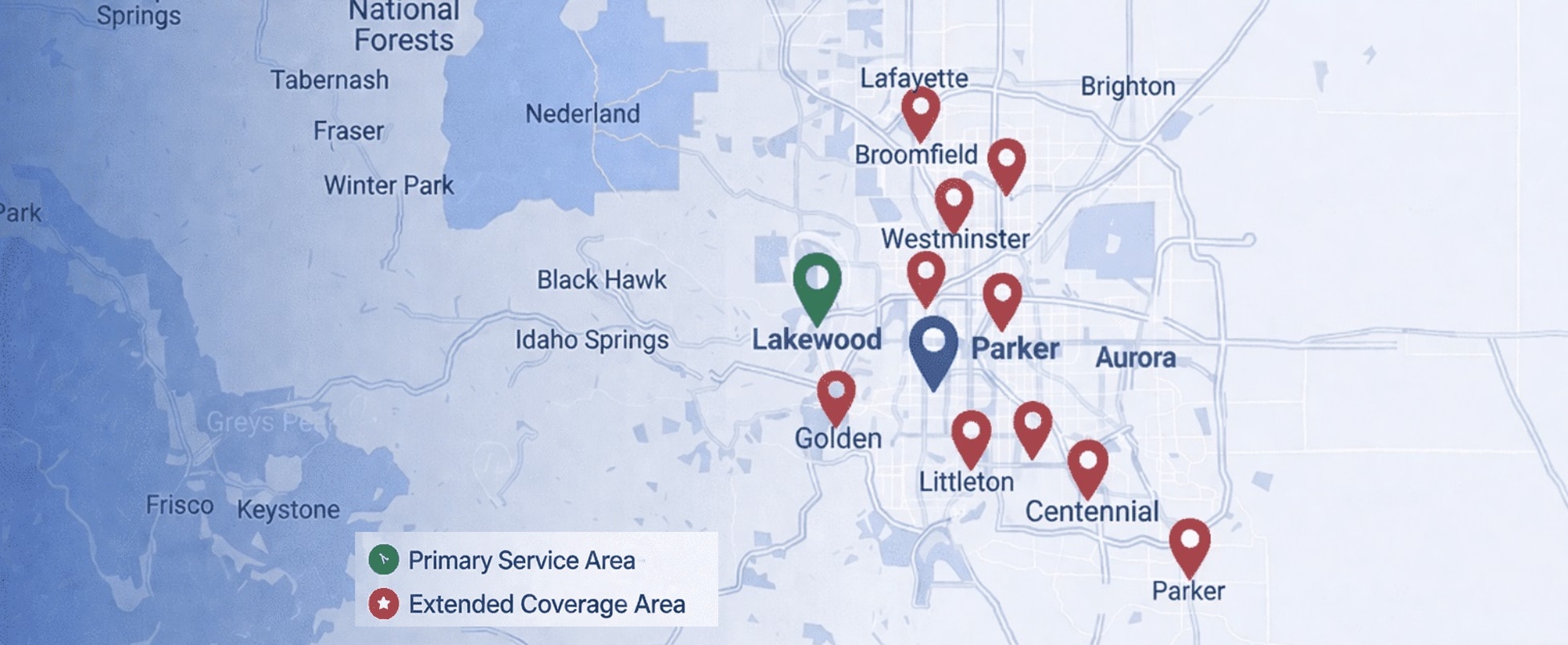
Find Garage Door Services in Your City
Every community we serve receives the same standard of service: licensed technicians, transparent estimates, manufacturer-backed warranties, and the availability that Colorado homeowners and property managers depend on.
Select your city below to view the specific residential and commercial garage door services available in your area, read local customer reviews, and schedule an appointment online.
-
Aurora
-
Brighton
-
Broomfield
-
Castle Rock
-
Centennial
-
Denver
-
Golden
-
Greenwood Village
-
Highlands Ranch
-
Lakewood
-
Littleton
-
Morrison
-
Thornton
-
Westminster
-
Wheat Ridge
Ready to Fix or Upgrade Your Garage Door?
Book Now and Schedule your First Service.
Looking for a deal?
Call us or to learn about our current promotions and seasonal offers.