

How Various Weather Conditions Impact Garage Door Openers in Parker, CO
Parker, CO weather creates opener failure conditions that national maintenance guides rarely account for — sub-zero cold that thickens lubricants and strains motors, freeze-thaw cycling that damages sensors and wiring, and summer heat that pushes motors past their thermal limits on the hottest days of the year. Understanding which weather patterns affect which opener components helps Parker homeowners recognize early warning signs before a marginal problem becomes a repair call at the worst possible time. Preventive maintenance timed to Parker’s seasonal shifts is consistently the most reliable way to avoid weather-driven opener emergencies.
Garage doors are integral to the daily operation of most homes and businesses. They provide security, convenience, and protection from the elements. However, weather conditions can play a significant role in the performance and longevity of garage door openers. Extreme temperatures, heavy rain, snow, and even humidity can all put a strain on the opener’s components. Understanding how weather affects garage door openers helps homeowners take preventive measures, reducing the likelihood of emergency garage door opener repair. In this article, we’ll explore how various weather conditions impact garage door openers and what steps can be taken to mitigate these issues.
1. Extreme Cold and Freezing Temperatures
Freezing temperatures are one of the most challenging weather conditions for garage door openers. The cold can cause several problems for both the garage door and its opener mechanism.
Frozen Components:
When temperatures drop significantly, components like the garage door’s springs and tracks can freeze. This makes it difficult for the opener to lift the door properly, potentially causing the opener to strain or fail. For example, if the metal components freeze, the garage door could become stuck, leading to costly repairs or even emergency services.
Lubrication Issues:
Cold weather can also affect lubrication. Many garage door openers rely on lubricants to keep parts moving smoothly. In extreme cold, lubricants may become thick and less effective, causing increased friction and wear on components. This can lead to a malfunctioning opener or even a complete breakdown if not addressed.
Preventive Measures:
- Regularly lubricate the moving parts with weather-appropriate grease.
- Install weather seals around the door to prevent drafts and freezing.
- Schedule maintenance before the cold season to ensure everything is in good working condition.
2. Hot and Humid Weather
While extreme heat might not cause immediate freezing, high temperatures and humidity can take a toll on garage door openers over time.
Overheating and Strain:
Electric motors typically power garage door openers, and in high heat, the motor can overheat, especially if it’s being used more frequently. Over time, this can lead to motor failure, which may require emergency repair or replacement.
Humidity and Rust:
High humidity levels can contribute to rust and corrosion on metal components of the opener, including tracks, springs, and the opener motor itself. This is particularly problematic in areas that experience high levels of moisture during the summer. The added moisture can also cause electrical components to short-circuit or malfunction, creating an immediate need for repair.
Preventive Measures:
- Ensure proper ventilation in the garage to reduce humidity buildup.
- Invest in a garage door opener with a motor designed to handle high temperatures.
- Check for rust and corrosion regularly, especially on tracks, springs, and other metal parts.
3. Rain and Flooding
Heavy rain and flooding can have a significant impact on the performance of your garage door opener, especially if your garage is prone to water damage.
Prolonged wet and cold weather can cause swelling in your garage door’s openers and door frames, leading to hindered functionality and damage over time. Low temperatures may also thicken your door jamb’s lubricants, making it difficult to open and close.
Water Damage to Electrical Components:
Water exposure to electrical components can cause severe damage to the opener motor or other parts. If the electrical components of the opener become wet, they may short-circuit, causing the system to fail. Additionally, water may seep into the opener’s wiring, leading to electrical issues or even complete failure.
Warping of Wooden Doors:
If you have a wooden garage door, rain can cause the material to swell or warp, making it difficult for the opener to lift and lower the door. Warped wooden doors may also get stuck in the tracks, causing strain on the opener.
Preventive Measures:
- Install weatherstripping and a proper drainage system to prevent water from seeping into the garage.
- Regularly inspect the garage for leaks and water damage.
- Consider upgrading to a more water-resistant garage door material, such as steel or fiberglass, if you live in an area prone to heavy rain.
4. Snow and Ice
Snow and ice can cause many of the same issues as freezing temperatures, but they can also introduce additional complications.
Heavy Snow and Blocked Sensors:
Snow buildup around the garage door and sensors can prevent the door from closing properly. If snow or ice obstructs the door’s sensors, it may not close, potentially leaving the garage exposed to the elements. This can also trigger emergency repair needs if the opener fails to recognize that the door is not closed.
Ice on Tracks and Springs:
Ice can accumulate on garage door tracks and springs, making it difficult for the opener to function smoothly. In severe cases, the ice buildup can prevent the door from opening at all, requiring emergency assistance to clear the ice and restore function.
Preventive Measures:
- Regularly clear snow and ice from around the door and tracks.
- Install a heated mat or system to prevent ice buildup on tracks and springs.
- Check the weatherstripping and seals to ensure no water or ice enters the garage.
5. Wind and Stormy Weather
High winds and storms are common causes of damage to garage doors and openers, especially in areas that are prone to hurricanes or tornadoes.
Wind Stress on the Door and Opener:
Strong winds can put additional stress on the door and opener, especially if the door is not properly secured. The increased pressure from wind gusts can cause the door to become misaligned or damaged. This strain on the door and opener system can result in malfunctioning parts and emergency repairs.
Structural Damage from Storms:
In extreme cases, storms can damage the structure of the garage, including the door tracks or the opener’s motor mount. This can cause serious issues with the operation of the opener, requiring immediate repair to restore normal function.
Preventive Measures:
- Reinforce your garage door with bracing systems designed for high winds.
- Regularly inspect the opener motor and track for any signs of wear or misalignment.
- Install storm-proof doors and consider weather-resistant openers for additional protection.
Weather conditions can have a significant impact on the performance and reliability of garage door openers. Regular maintenance, proactive inspections, and weatherproofing solutions can help reduce the chances of facing a major malfunction. By understanding the potential risks that weather presents to your garage door opener, you can take the necessary steps to protect your system and avoid costly emergency garage door opener repair. Remember, preventive care is always more cost-effective than dealing with unexpected breakdowns. Stay ahead of weather-related issues and keep your garage door opener in top shape year-round.
Is your garage door opener struggling with the weather? Contact Select Garage Doors at (720) 339-2442 for emergency garage door opener repair and professional maintenance to prevent weather-related breakdowns. Call us today to schedule your appointment!
Frequently Asked Questions
Why does my garage door opener stop working in cold weather in Parker, CO?
Cold weather increases the effective load on the opener motor in two ways: the springs and hardware the motor is lifting become stiffer as temperatures drop, and lubricants throughout the drive system thicken and provide less protection against friction. A motor that handles the door without difficulty at 50°F may strain or fail at sub-zero temperatures, particularly if the door hardware has not been lubricated with a winter-grade product before Parker’s cold season begins. If the opener is audibly straining or moving the door slowly in cold weather, stopping use and having the door and opener inspected is the right step before the motor sustains damage from continued overload.
Can Parker’s hail damage my garage door opener?
Hail typically does not hit the opener unit directly, but it damages the components the opener depends on. Panel dents from hail can shift door alignment in the track, creating friction points that increase motor load. Sensors mounted at the base of the door can take a direct impact that shifts their aim angle, causing false obstruction readings that prevent the door from closing. After any significant hail event, checking sensor alignment and testing the full door travel cycle before assuming the opener itself has failed can save an unnecessary service call.
Why does my garage door opener reverse on its own without anything in the way?
Unexpected reversals without an obstruction usually point to a sensor problem rather than the opener motor itself. In Parker’s climate, the most common causes are sensor misalignment from a temperature-driven shift, ice or debris on the sensor lens, or corroded wiring connections at the sensor terminals from snowmelt moisture. The opener interprets an interrupted or inconsistent sensor signal as an obstruction and reverses as designed. Cleaning the sensor lenses, checking their alignment, and inspecting the wiring connections at floor level resolves most cases before a service call is needed.
How does summer heat affect a garage door opener in Parker?
Opener motors generate heat during operation and rely on the surrounding air to cool between cycles. In a Parker garage that absorbs afternoon sun and reaches 90°F or above, the motor’s ability to cool is reduced, and repeated cycles in that heat can push the motor’s thermal protection to shut it down temporarily. Garages facing west or south are most at risk. Improving garage ventilation, avoiding running multiple consecutive cycles during peak afternoon heat, and having the motor inspected if shutdowns happen repeatedly are the practical responses to summer heat-related opener problems in Parker.
What should I do if my garage door opener fails during a Parker winter storm?
The first step is to use the manual release cord — typically a red handle hanging from the trolley — to disconnect the door from the opener and operate it by hand. This confirms whether the door itself is stuck (frozen threshold, track ice) or whether the opener is the actual failure point. If the door moves freely by hand but the opener does not respond, the issue is in the motor, logic board, or wiring. If the door itself will not move, do not force it — a door frozen to the threshold can damage the bottom seal, cable, and spring if forced under motor power. For urgent repairs, Select Garage Doors provides emergency service in Parker and surrounding areas.

Looking for a deal?
Call us or to learn about our current promotions and seasonal offers.


Service Area: 50+ Cities Across Metro Denver
Select Your Nearest Location
Hours: Mon-Fri 8am-5pm
Sunday Emergency Only
Avg Response Time: 18 minutes
Hours: Mon-Fri 8am-5pm
Sunday Emergency Only
Avg Response Time: 18 minutes
Hours: Mon-Fri 8am-5pm
Sunday Emergency Only
Avg Response Time: 18 minutes
Hours: Mon-Fri 8am-5pm
Sunday Emergency Only
Avg Response Time: 18 minutes
Hours: Mon-Fri 8am-5pm
Sunday Emergency Only
Avg Response Time: 18 minutes
Hours: Mon-Fri 8am-5pm
Sunday Emergency Only
Avg Response Time: 18 minutes
Hours: Mon-Fri 8am-5pm
Sunday Emergency Only
Avg Response Time: 18 minutes
Hours: Mon-Fri 8am-5pm
Sunday Emergency Only
Avg Response Time: 18 minutes
Hours: Mon-Fri 8am-5pm
Sunday Emergency Only
Avg Response Time: 18 minutes
Hours: Mon-Fri 8am-5pm
Sunday Emergency Only
Avg Response Time: 18 minutes
Hours: Mon-Fri 8am-5pm
Sunday Emergency Only
Avg Response Time: 18 minutes
Hours: Mon-Fri 8am-5pm
Sunday Emergency Only
Avg Response Time: 18 minutes
Hours: Mon-Fri 8am-5pm
Sunday Emergency Only
Avg Response Time: 18 minutes
Hours: Mon-Fri 8am-5pm
Sunday Emergency Only
Avg Response Time: 18 minutes
Hours: Mon-Fri 8am-5pm
Sunday Emergency Only
Avg Response Time: 18 minutes
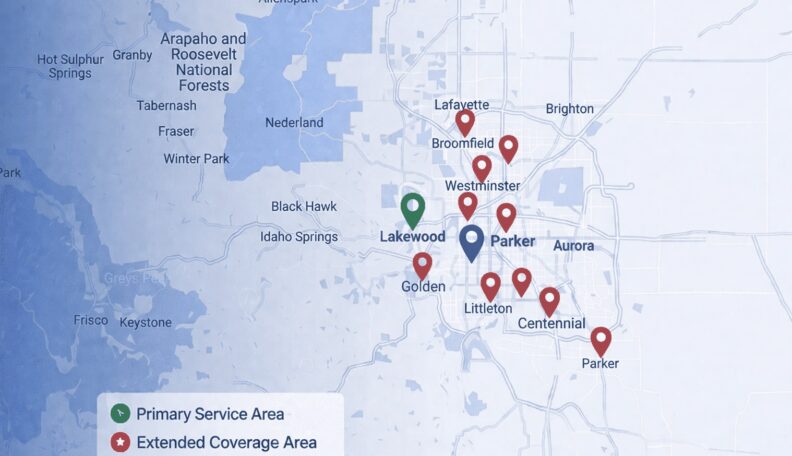
We Service: Parker, Castle Rock, Greenwood Village, Lakewood, Littleton, Centennial, Highlands Ranch 40+ More Cities