



Does Your Castle Rock Garage Door Need a Tune-Up Before Winter?

A Castle Rock garage door needs a tune-up before winter if it has become noisier, slower or heavier through autumn, or if it has gone more than a year without one. Winter does not create faults so much as expose the ones already there.
Key Takeaways
- A tune-up is a service visit, not a repair, and its value is catching wear before it becomes failure.
- Noise, hesitation and a door that feels heavy by hand are the three clearest signals it is due.
- Balance is the single most useful thing checked, because a poorly balanced door wears everything else.
- Autumn is the sensible window, because the parts under most strain are the ones cold weather punishes.
- Select Garage Doors is licensed, insured and veteran-owned, with a limited labor and installation warranty.
Garage doors rarely fail without warning. They get louder, they hesitate, they start needing a second press, and then one cold morning they stop. The gap between the first symptom and the failure is usually months, and a tune-up is simply the decision to act inside that window. Select Garage Doors finds that most winter breakdowns were visible in autumn to anyone paying attention.
What Does a Garage Door Tune-Up Actually Involve?
A technician checks the balance, inspects and lubricates the moving parts, tightens the hardware, tests the safety systems, and reports anything that is wearing but not yet failed.
Balance comes first because everything else depends on it. If the springs are not carrying the weight correctly, the opener, rollers and cables are all working harder than they should, and no amount of lubricant fixes that.
Then it is the methodical part: rollers, hinges, tracks, brackets, cables, seal, sensors and auto-reverse. Homeowners in Castle Rock often find the report is the most useful part, because it says which parts have a season or two left rather than simply what broke.
How Do You Know One Is Due?
Listen and lift. A door that has got louder over the season, or that feels heavy when moved by hand with the opener disconnected, is telling you plainly.
Noise is the earliest signal and the easiest to ignore, because it creeps up gradually. A door that sounded fine in June and grinds in October has changed, even if it still works.
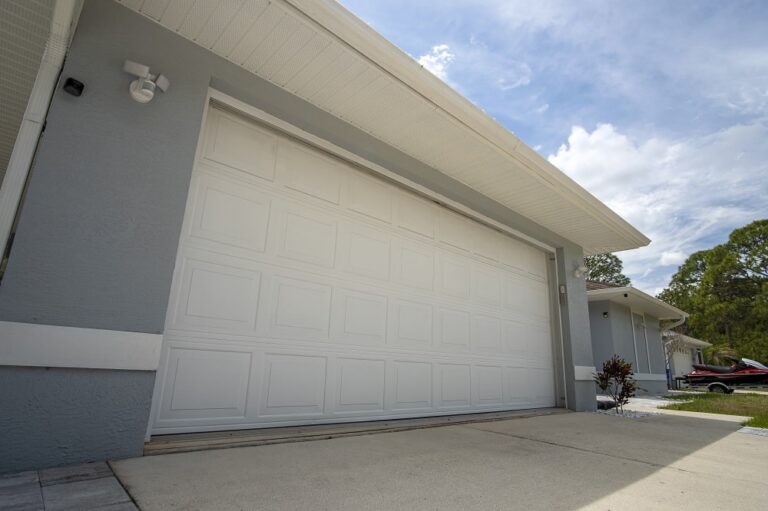
The lift test is the more revealing one. Disconnect the opener, raise the door to about waist height, and let go. It should stay put. If it drops or rises, the springs are no longer matched to the door and the opener has been compensating. The guide on when to lubricate a garage door covers the maintenance side between visits.
Why Is Autumn the Right Time?
Because the parts that cold weather strains hardest are exactly the ones a tune-up addresses, and because a fault found in October is an appointment rather than an emergency.
Cold thickens lubricant, stiffens rollers, and reduces the effective capacity of springs slightly. A door that is already marginal in mild weather becomes a problem once that happens.
There is a scheduling argument too. A door that fails in January fails during the worst weather, often at the least convenient moment, and competes with everyone else in the same position.
| Signal | What It Usually Means | How Urgent |
|---|---|---|
| Louder than it used to be | Rollers or hinges wearing | Book before winter |
| Hesitates when starting to lift | Spring capacity or stiff lubricant | Book before winter |
| Feels heavy by hand | Door is out of balance | Book promptly |
| Rattles when closed | Hardware has loosened | Routine |
| Draught along the bottom | Seal has hardened or worn | Book before winter |
What Can a Homeowner Do Between Visits?
Keep the tracks clean and dry, lubricate rollers and hinges rather than tracks, clear the floor under the seal, and watch the door run occasionally rather than only using it.
Most of this is observation rather than work. Standing and watching a full cycle once a month tells you more about the door’s condition than anything else a homeowner can do.

What stays off the list is anything involving springs, cables or the bottom bracket. Those hold the tension that makes the door liftable, and they are the parts responsible for the serious injuries in garage door work.
Is a Tune-Up Worth It on a Door That Seems Fine?
On a door more than a few years old, usually yes, because “seems fine” and “is fine” diverge gradually and the owner is the least likely person to notice.
Wear is incremental. The door you use every day sounds normal because it changed slowly, which is precisely why a fresh set of ears and a balance test are worth having.
There is a second argument that has nothing to do with breakdowns. A door running correctly is quieter, moves more smoothly, and puts far less load on the opener, so the opener itself lasts longer. The tune-up is partly about avoiding a failure and partly about not wearing out the most expensive component on the system years early.
The safety side matters too. Auto-reverse and the photo eye sensors are the features that stop a door closing on a person, a pet or a vehicle, and they are tested as part of the visit. Those systems can drift out of adjustment quietly, and unlike a noisy roller they give no warning that they have stopped working properly.
Homeowners can schedule a consultation, or visit the Castle Rock location on Google Maps. The call line is staffed 24/7, with service scheduled during regular business hours.
Frequently Asked Questions
How often should a garage door be tuned up?
It depends on how heavily the door is used and how exposed it is. A technician can recommend an interval for a particular door, and heavily used doors need attention more often than occasional ones.
Is a tune-up the same as a repair?
No. A tune-up is preventative: inspection, adjustment, lubrication and safety testing. If something is already broken, that is a repair and will be identified and quoted separately.
What is the single most useful check?
The balance test. A door that is out of balance makes the opener, rollers and cables all work harder, so correcting it protects every other part of the system.
Can a homeowner do a tune-up themselves?
Parts of it. Cleaning tracks, lubricating rollers and hinges and tightening visible bracket bolts are all reasonable. Balance, spring and cable work are not.
Does a new door still need servicing?
Yes, though less urgently. Hardware still loosens with use and seals still age, so a newer door benefits from the same checks on a longer interval.
Will a tune-up make the door quieter?
Usually, yes, because most noise comes from dry or worn rollers and loose hardware. If the noise persists afterwards, the cause is a worn part that needs replacing rather than adjusting.
What happens if a problem is found?
The technician explains what was found, what it affects, and how urgent it is. Fair upfront pricing applies, so there are no surprises between the inspection and the work.
Does the opener get checked too?
It does. The safety sensors, the auto-reverse and the force settings are all tested, since those are what protect anything underneath the door.


Looking for a deal?
Call us or to learn about our current promotions and seasonal offers.



Service Area: 50+ Cities Across Metro Denver
Select Your Nearest Location
Hours: Mon-Fri 8am-5pm
Hours: Mon-Fri 8am-5pm
Hours: Mon-Fri 8am-5pm
Hours: Mon-Fri 8am-5pm
Hours: Mon-Fri 8am-5pm
Hours: Mon-Fri 8am-5pm
Hours: Mon-Fri 8am-5pm
Hours: Mon-Fri 8am-5pm
Hours: Mon-Fri 8am-5pm
Hours: Mon-Fri 8am-5pm
Hours: Mon-Fri 8am-5pm
Hours: Mon-Fri 8am-5pm
Hours: Mon-Fri 8am-5pm
Hours: Mon-Fri 8am-5pm
Hours: Mon-Fri 8am-5pm
We Service: Parker, Castle Rock, Greenwood Village, Lakewood, Littleton, Centennial, Highlands Ranch 40+ More Cities