


How Garage Door Installers Help Protect Your Home in Parker
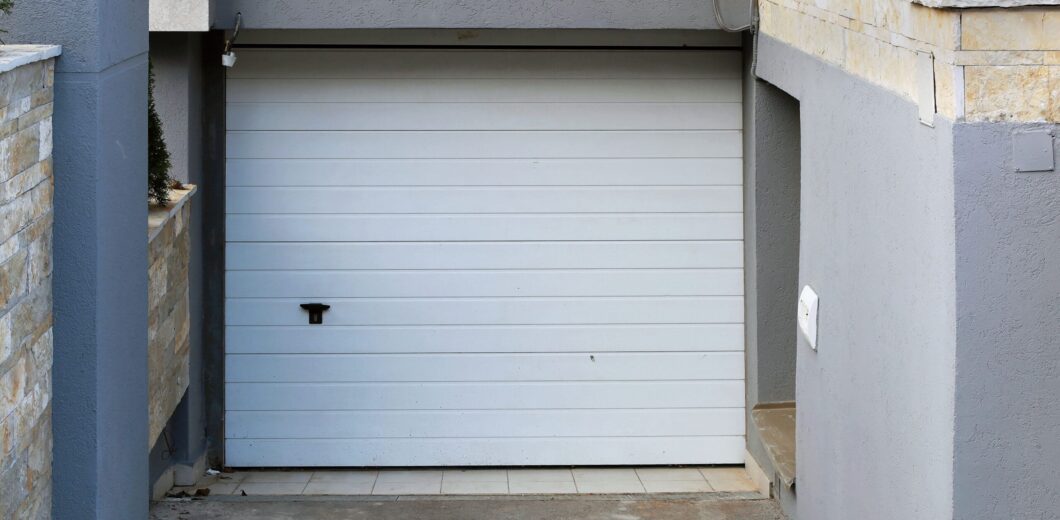
Your garage door is one of the largest entry points into your Parker, CO home, and roughly 9% of residential break-ins happen through the garage. Select Garage Doors helps Parker homeowners close those security gaps with proper installation, modern opener technology, and physical reinforcement options that deter forced entry.
Most Parker, CO homeowners lock their front door every night without a second thought. But the garage door, the single largest moving entry point on the house, often gets overlooked. If your home has an attached garage (and the majority of Parker homes do), an unsecured garage door gives a burglar a direct path into your living space. Select Garage Doors works with homeowners across the Denver metro area to make sure garage doors do not become the weak link in home security.
The good news: you do not need a full replacement to dramatically improve security. The right combination of proper installation, updated opener technology, and a few targeted reinforcements can turn a vulnerable garage door into a genuine deterrent. Below, we walk through the most common security gaps Parker homeowners face and what actually works to close them.
Garage Door Security for Parker Homeowners
Why Is the Garage Door a Common Target for Break-Ins?
Roughly 9% of home burglaries involve entry through the garage, because garage doors present larger surface areas, more mechanical vulnerabilities, and less visibility from the street than standard entry doors. In Parker’s suburban neighborhoods, attached garages connect directly to the home’s interior, making them a high-value target.
A standard front door is solid, compact, and usually visible to neighbors. A garage door is 7 to 16 feet wide, operates on tracks and springs, and has mechanical components that can be manipulated if they are outdated or poorly installed. Many older garage doors lack any secondary locking mechanism beyond the opener itself.
Parker’s residential layout adds another factor. Homes in subdivisions along Mainstreet, Canterberry, and Stonegate often have side-entry or rear-facing garages. These configurations reduce street-level visibility, giving an intruder more time to work undetected. Homes in HOA communities sometimes face additional constraints on exterior modifications, which means security upgrades need to be effective without changing the door’s appearance.
How Does Proper Installation Prevent Security Gaps?
A garage door that sits unevenly in its frame, has gaps along the bottom seal, or operates on worn tracks creates exploitable openings that a burglar can pry, bend, or force. Correct garage door installation in Parker eliminates these vulnerabilities from the start.
When a door is mounted with even a half-inch gap at the bottom or sides, it becomes possible to insert a pry bar or hook and manipulate internal components. Over time, settling foundations and temperature swings in Colorado’s climate can make these gaps worse. A door that fit well five years ago may have shifted enough to create a security concern today.
Proper installation also means securing the vertical tracks with heavy-gauge brackets, using the correct spring tension so the door seats firmly when closed, and aligning the weatherstripping to create a tight seal. These are not cosmetic details. Each one affects how resistant the door is to forced manipulation.
If your current door has visible daylight along the edges when closed, rattles in the tracks, or does not sit flush against the floor, those are signs that reinstallation or adjustment may be needed before any other security upgrades will be fully effective.
What Is Rolling Code Technology and Why Does It Matter?
Rolling code technology generates a new encrypted access code every time you press your garage door remote. This prevents a thief from using a code grabber to record and replay your signal, which was a real vulnerability with older fixed-code openers manufactured before the mid-2000s.
Fixed-code openers broadcast the same radio frequency signal every time. A device called a code grabber can intercept that signal from a short distance and replay it later to open the door. Rolling code systems make that approach useless because the captured code expires immediately after a single use.
If your Parker home still has a garage door opener installed before 2005, there is a reasonable chance it uses a fixed code. Upgrading to a modern garage door opener with rolling code encryption is one of the most cost-effective security improvements you can make. Most current models from major manufacturers include this feature as standard.
Can Burglars Exploit the Emergency Release?
Yes. The emergency release cord on most garage doors can be triggered from outside in under ten seconds using nothing more than a wire hanger pushed through the top of the door. This is one of the most widely known garage door vulnerabilities, and it affects nearly every standard residential door.
The emergency release is required by safety codes so you can manually open the door during a power outage. But the same mechanism that lets you pull a cord from inside can be accessed from outside if someone creates a small gap at the top of the door and fishes a hooked wire through to snag the release handle.
The fix is simple and inexpensive. A garage door shield or release lock covers the cord mechanism so it cannot be accessed from outside. Some homeowners also secure the release with a heavy-duty zip tie that is strong enough to prevent accidental triggering but can still be broken by hand in a genuine emergency. Ask about these garage door accessories during your next service visit.
What Physical Reinforcements Actually Stop Forced Entry?
Side-mounted deadbolts, slide locks, and horizontal reinforcement bars add layers of physical resistance that a standard garage door opener alone does not provide. These additions make it significantly harder to pry, bend, or force the door open from the outside.
A slide lock mounts on the inside of the door and extends a steel bolt into the door track. When engaged, the door cannot be lifted even if someone defeats the opener. This is a practical option for Parker homeowners who leave town for extended periods or want extra security overnight.
For older doors with thinner panels, horizontal reinforcement struts bolt across the back of each section. They prevent the panels from bending inward under force, which is the technique some intruders use to create a gap large enough to reach the emergency release or climb through.
The weakest physical point on most garage door frames is the strike plate where the lock engages. Replacing a standard strike plate with a reinforced, heavy-gauge version can be the difference between a door that holds under force and one that does not. This is a small upgrade that delivers outsized results.
Are Smart Garage Door Openers Worth the Security Upgrade?
Smart garage door openers provide real-time alerts, remote monitoring, automatic closing on a schedule, and activity logs that let you know exactly when the door opens and who opened it. For Parker homeowners managing busy households, these features close the most common security gap of all: the door that gets left open by accident.
A forgotten open garage door is probably the single biggest residential security risk, and it happens constantly. Kids come home from school and leave it up. You pull out of the driveway and forget to hit the button. A smart opener eliminates that problem by sending a push notification to your phone when the door has been open for a set period, and many models can close it automatically after a timer expires.
Smart openers also let you grant temporary access codes to contractors, dog walkers, or delivery services without handing over a physical remote. Each code can be set to expire after a single use or at a specific time. If you are considering a new opener installation in Parker, smart connectivity is worth prioritizing.
Should You Reinforce the Door Between Your Garage and House?
Absolutely. If a burglar gets past the garage door, the interior entry door is the last barrier before they are inside your home. A hollow-core interior door with a basic knob lock offers almost no resistance, yet that is what many Parker homes were built with.
Replacing the interior garage-to-house door with a solid-core or steel door, and fitting it with a deadbolt, turns it into a legitimate second line of defense. Douglas County building codes require a fire-rated door in this location for newer construction, but many older homes in the Parker area still have lightweight doors that would not slow an intruder for more than a few seconds.
You can further improve this barrier by adding a door reinforcement plate around the lock area and using 3-inch screws in the strike plate that anchor into the wall framing rather than just the door jamb. These measures also help with regular garage door maintenance by ensuring the entire garage entry system works as an integrated security layer.
When to Upgrade Your Garage Door Security
Not every security concern requires a full door replacement. But certain signs tell you it is time to call for a professional evaluation:
- Your opener is more than 15 years old. Openers from that era likely use fixed codes, lack safety sensors, and may not support modern security features.
- Visible gaps exist when the door is closed. Gaps at the bottom, sides, or between panels create opportunities for forced entry and signal alignment or installation issues.
- The door panels flex or bend under hand pressure. Thin, unreinforced panels can be bent far enough to access the emergency release from outside.
- You have no secondary lock. If the opener is the only thing holding the door closed, a power outage or opener failure leaves the door completely unsecured.
- Your remote uses a fixed code. If your remote is original to an opener installed before 2005, it almost certainly uses outdated technology.
- You have experienced a break-in or attempted break-in. A garage door repair visit can assess structural damage and identify what needs to be reinforced or replaced.
If any of these apply to your Parker home, addressing them now costs significantly less than dealing with the aftermath of a break-in.
Strengthen Your Parker Home’s First Line of Defense
Your garage door does not have to be a security liability. With the right installation, updated technology, and a few targeted reinforcements, it becomes one of the strongest barriers protecting your home and your family.
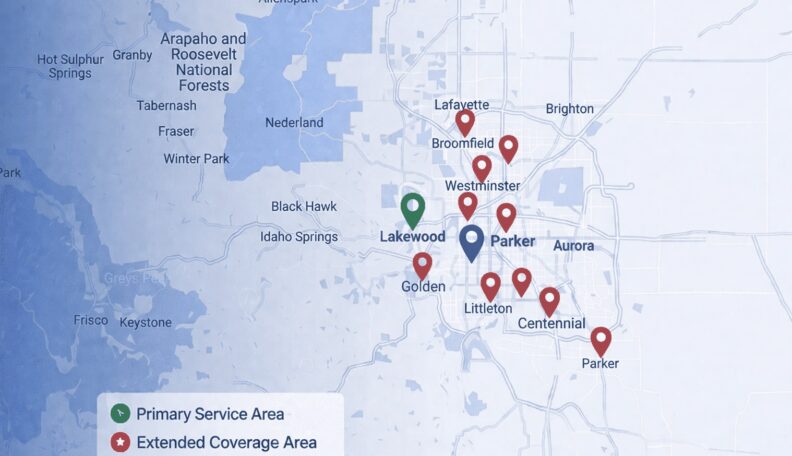
Select Garage Doors helps homeowners throughout Parker and the Denver metro area evaluate their garage door security and make practical upgrades that deliver real protection. We serve Parker, Castle Rock, Greenwood Village, Lakewood, and the greater Denver metro area.
Call 720-339-2442 to schedule a garage door security assessment for your Parker home.
Frequently Asked Questions
How do I know if my garage door opener uses rolling code technology?
Check the manufacturer label on the opener unit. Most openers made after 2005 use rolling codes. If your opener is older than that or you cannot find documentation, a quick inspection by Select Garage Doors can confirm what technology your system uses.
Can I add a deadbolt to my existing garage door?
Yes. Side-mounted slide locks and deadbolts can be installed on most residential garage doors without replacing the door itself. They are especially useful as a secondary lock when you are away from home for several days.
Are garage door windows a security risk?
Windows give potential intruders a view of what is stored inside. Frosted or obscured glass and security film reduce visibility and make the glass harder to break. If your Parker home’s garage door has clear windows, these are affordable upgrades.
How often should I have my garage door inspected for security issues?
Once a year is a good baseline. An annual inspection checks seal alignment, spring tension, opener function, and lock condition. Homes in the Denver metro area should also check weatherstripping after winter, since Colorado’s freeze-thaw cycles can cause gaps.
Does a smart garage door opener work during a power outage?
Most smart openers lose remote connectivity during an outage, but the manual emergency release still allows you to open the door by hand. Some models include battery backup that keeps both the motor and smart features running for up to 24 hours.


Looking for a deal?
Call us or to learn about our current promotions and seasonal offers.



Service Area: 50+ Cities Across Metro Denver
Select Your Nearest Location
Hours: Mon-Fri 8am-5pm
Sunday Emergency Only
Avg Response Time: 18 minutes
Hours: Mon-Fri 8am-5pm
Sunday Emergency Only
Avg Response Time: 18 minutes
Hours: Mon-Fri 8am-5pm
Sunday Emergency Only
Avg Response Time: 18 minutes
Hours: Mon-Fri 8am-5pm
Sunday Emergency Only
Avg Response Time: 18 minutes
Hours: Mon-Fri 8am-5pm
Sunday Emergency Only
Avg Response Time: 18 minutes
Hours: Mon-Fri 8am-5pm
Sunday Emergency Only
Avg Response Time: 18 minutes
Hours: Mon-Fri 8am-5pm
Sunday Emergency Only
Avg Response Time: 18 minutes
Hours: Mon-Fri 8am-5pm
Sunday Emergency Only
Avg Response Time: 18 minutes
Hours: Mon-Fri 8am-5pm
Sunday Emergency Only
Avg Response Time: 18 minutes
Hours: Mon-Fri 8am-5pm
Sunday Emergency Only
Avg Response Time: 18 minutes
Hours: Mon-Fri 8am-5pm
Sunday Emergency Only
Avg Response Time: 18 minutes
Hours: Mon-Fri 8am-5pm
Sunday Emergency Only
Avg Response Time: 18 minutes
Hours: Mon-Fri 8am-5pm
Sunday Emergency Only
Avg Response Time: 18 minutes
Hours: Mon-Fri 8am-5pm
Sunday Emergency Only
Avg Response Time: 18 minutes
Hours: Mon-Fri 8am-5pm
Sunday Emergency Only
Avg Response Time: 18 minutes
We Service: Parker, Castle Rock, Greenwood Village, Lakewood, Littleton, Centennial, Highlands Ranch 40+ More Cities