


Sustainable and Green Practices in Garage Door Opener Installation in Parker
- There is no ENERGY STAR program for garage door openers, but the most efficient models, especially DC-motor units, draw about 1 watt or less on standby. Older AC models can pull 2 to 5 watts around the clock, adding a few dollars a year to your Xcel Energy bill even when the door never moves.
- Parker and the wider Denver area see roughly 245 to 250 days of measurable sunshine a year, well beyond the national average and the “300 days” myth, which makes solar-assisted openers practical here.
- Xcel Energy does not offer a rebate specific to garage door openers, so a solar or efficient model should pencil out on its own merits, not on an incentive that does not exist.
- A small panel of around 30 watts powers most residential solar-ready openers, and the sealed battery is routine, inexpensive maintenance, typically replaced every 5 to 7 years.
- Pairing an insulated R-12 or higher door with an efficient opener saves more total energy than upgrading the opener alone, since most garage heat loss travels through the door panel, not the motor.
- DC-motor openers run quieter and draw less power than AC models on standby and in operation, and they are now standard on most premium residential opener lines.
As environmental awareness grows, homeowners are looking for sustainable choices in every part of the house, including the garage. At Select Garage Doors, we install energy-efficient garage door openers for Parker homes that fit both your values and your budget, from quiet DC-motor units to solar-ready setups. Here are the green practices worth knowing before your next upgrade.
Energy-Efficient Garage Door Openers
Choosing an energy-efficient opener is the simplest step toward a greener garage. Look for DC-motor models, which use less power during operation and idle than older AC units. The savings on any single door are small, but they run quietly in the background for the full life of the opener.
Solar-Powered Options
A solar-ready opener generates its own electricity through a small roof panel, offering an alternative to drawing entirely from the grid. It trims your carbon footprint and, just as usefully in Parker, keeps working when the power goes out. We cover the real-world details further down.
Smart Technology Integration
Smart features let you control and monitor the door remotely, so it runs only when needed and never sits open by accident. Scheduling and automation cut the small waste that adds up over a year. Before choosing a provider, it helps to understand what matters most when selecting a garage door opener installation service.
Recyclable Materials and Sustainable Manufacturing
Many manufacturers now build openers from recyclable materials and run cleaner production lines, which lowers the impact of both manufacturing and eventual disposal. If you are still comparing companies, this guide on what to look for when hiring opener installation services covers the questions to ask upfront.
Routine Maintenance for Longevity
A well-maintained opener runs more efficiently and lasts longer, which delays early garage door installation replacements and cuts down on both waste and cost. Regular lubrication, balance checks, and sensor tests keep the system pulling only the power it needs. Longevity is its own form of sustainability.
What Standby Power Really Costs Parker Homeowners
There is no ENERGY STAR certification specifically for garage door openers, despite how often the label turns up in marketing. What actually matters is the standby draw. The most efficient models, especially DC-motor units, sip about 1 watt or less while idle, while older or budget AC units can pull 2 to 5 watts continuously, every hour they sit plugged in, not just when the door moves. Over a 12 to 15 year lifespan that is modest but real, and it is separate from the savings during actual operation.
| Opener Type | Standby Draw | Est. Annual kWh (standby) | Est. |
|---|---|---|---|
| Standard AC (older / non-certified) | 2 to 5 W | 18 to 44 kWh | Call for a free estimate. |
| Energy-efficient AC | 1 W or less | Up to 8.8 kWh | Call for a free estimate. |
| DC motor (premium) | 0.5 W or less | Up to 4.4 kWh | Call for a free estimate. |
Energy Information Administration, 2026). Actual costs depend on local rate tiers and usage. Active-mode operation uses far more power than standby in every opener type.
The bigger efficiency variable for most attached garages is the door panel, not the opener motor. A door with less than R-12 insulation loses heat through the panel on cold Colorado nights at a rate that dwarfs the opener’s standby draw. Pairing an insulated steel door with a DC-motor opener gives the best combined return, and our Parker installation team can assess both the door and the opener in a single visit if you want the full picture first.
Realistic Expectations for Solar Openers in Parker
Parker, like the rest of the Denver area, sees roughly 245 to 250 days with measurable sunshine each year. That is short of the local “300 days” myth, but more than enough to make solar-assisted garage door technology a practical option rather than a novelty. A residential solar-ready opener typically runs on a single small panel, often around 30 watts, compact enough to mount on a south-facing roof section with no real footprint from the street. The panel charges a dedicated sealed battery that powers the opener through cloudy stretches and overnight.
Two practical limits are worth knowing before you buy. First, the battery is a purpose-built sealed unit sized for the opener alone, not a whole-home storage system, and replacing it every 5 to 7 years is routine, inexpensive maintenance rather than a failure. Second, Xcel Energy, which serves most of Parker, does not offer a rebate specific to garage door openers. If a product page or installer points to a utility incentive for this upgrade, verify it directly at xcelenergy.com before factoring it into the decision.
The strongest argument for a solar-ready opener in Parker is the built-in battery backup. The panel keeps the battery charged under normal conditions, and the battery covers operation during the outages Parker sees in summer hail and winter ice storms. For anyone who has lifted a heavy door by hand after a power failure, the premium over a standard backup unit is modest. We serve Parker, Douglas County, and the surrounding Front Range with solar-ready opener options.
Getting the Most From a Green Garage Upgrade
The greenest setup is rarely the opener by itself. An efficient DC-motor opener trims standby draw, an insulated door cuts the heat loss that actually moves your energy bill, and a solar-ready unit adds outage protection on top. Which combination is worth it depends on your garage, your roof, and how often you lose power.
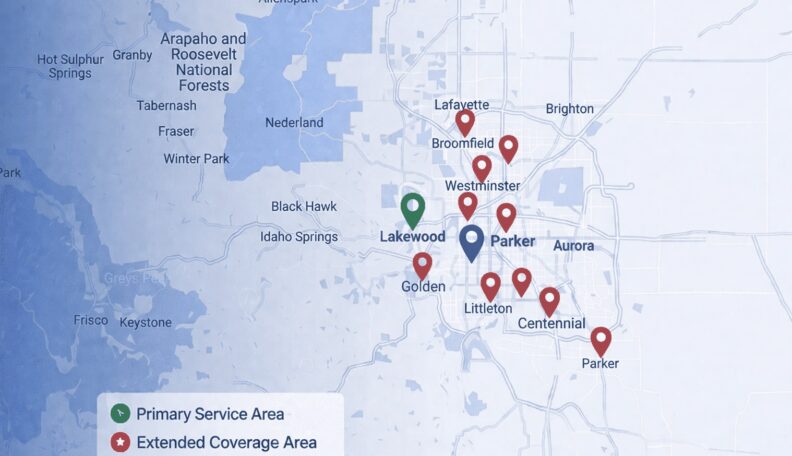
At Select Garage Doors, we are a veteran-owned team serving Parker, Castle Rock, Greenwood Village, Lakewood, and the greater Denver Metro, and we will give you a straight read on which upgrades pay off for your home. When you are ready to plan a greener garage, call us at (720) 339-2442.
Frequently Asked Questions
Do energy-efficient garage door openers qualify for a federal tax credit?
The federal Energy Efficient Home Improvement Credit (Section 25C) expired at the end of 2025 and is not available for the 2026 tax year. Even while it was active, garage door openers never qualified as a standalone product, and there are no ENERGY STAR-certified garage doors. Check for any current state or local incentives and confirm the rules with a tax professional.
How many solar panels does a residential solar garage door opener require?
Most residential solar-ready openers run on a single 30-watt panel that charges a dedicated battery rather than powering the opener directly. Parker’s roughly 245 to 250 annual days of sunshine keep that battery well charged year-round.
Does Xcel Energy offer rebates for energy-efficient garage door openers?
No. Xcel Energy’s rebates focus on HVAC equipment, water heaters, lighting, and appliances, not garage door openers. Verify any rebate claim directly at xcelenergy.com before basing a purchase on it.
What is the energy difference between a DC and an AC garage door opener motor?
DC motors draw less power on standby and in operation, run more quietly, and support soft-start and soft-stop that reduces wear over time. AC motors are simpler and cheaper to build but use more power per cycle. DC motors are now standard on most premium opener lines.
Does insulating the garage door save more energy than upgrading the opener?
For most attached garages, yes. An uninsulated door loses heat through the panel all winter, while the opener motor draws only a few watts on standby. An R-12 or higher door cuts your heating and cooling load far more than the opener upgrade alone.
Can a solar opener panel face east or west if my garage does not face south?
Yes, though output drops. A south-facing panel in Parker produces noticeably more over a year, often around 20 to 30 percent more than the same panel facing east or west. An east or west panel still charges the battery for most conditions, but a slightly larger panel helps through Colorado’s shorter winter days.
How much can an energy-efficient opener save on my electric bill?
The real savings come from pairing an efficient opener with an insulated door, which cuts the heat loss that drives your bill.
What makes a garage door opener eco-friendly?
An eco-friendly opener usually combines a DC motor, LED lighting, and a standby draw near 1 watt, often built with recyclable materials. Solar-ready models add a panel and battery for outage protection and lower grid use.



Looking for a deal?
Call us or to learn about our current promotions and seasonal offers.



Service Area: 50+ Cities Across Metro Denver
Select Your Nearest Location
Hours: Mon-Fri 8am-5pm
Sunday Emergency Only
Avg Response Time: 18 minutes
Hours: Mon-Fri 8am-5pm
Sunday Emergency Only
Avg Response Time: 18 minutes
Hours: Mon-Fri 8am-5pm
Sunday Emergency Only
Avg Response Time: 18 minutes
Hours: Mon-Fri 8am-5pm
Sunday Emergency Only
Avg Response Time: 18 minutes
Hours: Mon-Fri 8am-5pm
Sunday Emergency Only
Avg Response Time: 18 minutes
Hours: Mon-Fri 8am-5pm
Sunday Emergency Only
Avg Response Time: 18 minutes
Hours: Mon-Fri 8am-5pm
Sunday Emergency Only
Avg Response Time: 18 minutes
Hours: Mon-Fri 8am-5pm
Sunday Emergency Only
Avg Response Time: 18 minutes
Hours: Mon-Fri 8am-5pm
Sunday Emergency Only
Avg Response Time: 18 minutes
Hours: Mon-Fri 8am-5pm
Sunday Emergency Only
Avg Response Time: 18 minutes
Hours: Mon-Fri 8am-5pm
Sunday Emergency Only
Avg Response Time: 18 minutes
Hours: Mon-Fri 8am-5pm
Sunday Emergency Only
Avg Response Time: 18 minutes
Hours: Mon-Fri 8am-5pm
Sunday Emergency Only
Avg Response Time: 18 minutes
Hours: Mon-Fri 8am-5pm
Sunday Emergency Only
Avg Response Time: 18 minutes
Hours: Mon-Fri 8am-5pm
Sunday Emergency Only
Avg Response Time: 18 minutes
We Service: Parker, Castle Rock, Greenwood Village, Lakewood, Littleton, Centennial, Highlands Ranch 40+ More Cities