

The intense, high-altitude sun in Parker, Colorado, can significantly accelerate the fading and degradation of your garage door’s paint and finish. Prolonged UV exposure breaks down the chemical bonds in the paint, leading to chalking, peeling, and a dull appearance. Regular maintenance, applying UV-resistant coatings, or upgrading to a sun-reflective door model can help protect your investment and maintain your home’s curb appeal.
Living in Parker means enjoying plenty of beautiful, sunny days. But that same sunshine can take a serious toll on your home’s exterior. If you’ve noticed your garage door looking a bit tired lately, the intense Colorado sun is likely the culprit. As your trusted local experts at Select Garage Doors, we’ve seen firsthand how high-altitude UV rays can degrade paint and finishes.
Let’s break down exactly what the sun is doing to your door and how maintenance can help stop it.
The Science Behind Sun-Faded Garage Doors
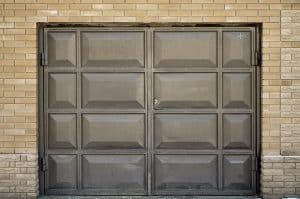
Prolonged exposure to ultraviolet (UV) rays breaks down the chemical structure of the paint on your garage door. This process, known as photodegradation, causes the pigments to lose their color and the protective finish to deteriorate. Over time, this leaves your door looking faded, chalky, and old.
The altitude in Parker makes this problem even worse. Because we’re closer to the sun, the UV radiation is stronger here than at sea level. Darker colors like deep reds, blues, and blacks tend to fade the fastest because they absorb more light and heat. If your garage faces south or west, it’s taking the brunt of this daily solar assault.
The heat doesn’t just affect the paint, either. It can cause wood doors to warp and crack, and steel doors to expand and contract, putting extra stress on the moving parts.
Warning Signs of UV Damage
You can usually spot sun damage long before it becomes a structural issue. The most obvious sign is a noticeable change in color. If your once-vibrant door now looks washed out or bleached, UV rays have done their work.
Watch out for these specific warning signs that indicate your garage door finish is failing:
- Fading or color change: The door looks washed out, bleached, or significantly lighter than its original color, especially on south or west-facing panels.
- Chalking: You notice a powdery, white residue on the surface when you run your hand across the door, which means the paint binder is breaking down.
- Peeling or blistering paint: The protective clear coat fails, allowing moisture to get underneath the paint layer and causing it to lift away from the surface.
- Wood deterioration: For wooden doors, you might see splintering, deep cracks along the grain, or a gray, weathered appearance.
If you’re seeing any of these signs, it’s time to take action before the underlying material is compromised.
How to Protect Your Garage Door Finish
The best way to protect your garage door from sun damage is through regular, proactive maintenance. Start by washing your door twice a year with a mild detergent and a soft cloth to remove dirt that magnifies UV rays.
Follow these steps to restore and protect your garage door finish: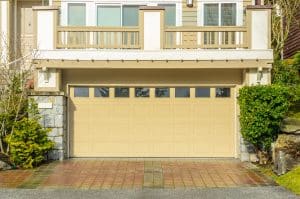
- Wash the door thoroughly: Clean the surface twice a year with a mild detergent and a soft cloth to remove dirt, salt, and environmental pollutants.
- Apply a protective coating: After cleaning and drying, apply a high-quality, UV-resistant wax or clear coat to create a strong barrier against the sun.
- Repaint with UV inhibitors: If fading is severe, clean the surface, remove peeling paint, apply a high-quality primer, and repaint using an exterior paint specifically formulated with UV inhibitors.
- Choose lighter colors: When repainting, opt for lighter shades like white, almond, or light gray, as they reflect sunlight rather than absorbing it.
If your door is beyond repair or you’re tired of constant upkeep, it might be time for an upgrade. Modern garage doors are built with advanced, baked-on finishes that resist fading and chalking much better than older models.
Schedule a consultation with Select Garage Doors today to discuss a new garage door installation, or contact us online to explore our durable, sun-resistant options.
Frequently Asked Questions
Can I just paint over a faded garage door?
Yes, you can repaint a faded door, but preparation is key. You must thoroughly clean the surface, remove any peeling paint, and apply a high-quality primer before using a UV-resistant exterior paint. Skipping these steps will result in the new paint peeling off quickly.
Do darker garage doors fade faster?
Dark colors absorb more heat and UV radiation than light colors. This causes the chemical bonds in the paint to break down more rapidly, leading to noticeable fading much sooner than you’d see on a white or light gray door.
How often should I wash my garage door?
You should wash your garage door at least twice a year. Removing dirt, salt, and environmental pollutants prevents them from degrading the finish and helps your protective wax or clear coat last longer. For a full tune-up that goes beyond cosmetic care, consider scheduling professional garage door maintenance.
Does the sun affect garage door sensors?
Yes, direct sunlight can overwhelm the infrared beam in your safety sensors, causing the door to reverse or refuse to close. If your door only acts up during certain times of the day, sun glare is likely the issue.
When is it better to replace rather than repaint?
If your door is older, has structural damage like warping or deep rust, or lacks proper insulation, replacement is usually the smarter investment. A new door offers better energy efficiency and comes with modern, fade-resistant factory finishes.