

A Homeowner’s Guide to Common Garage Door Repairs in Parker, CO
Key Takeaways
- The most common garage door repairs in Parker, CO are broken springs, snapped cables, off-track doors, sensor problems, and worn rollers. All five have safety implications if left unaddressed.
- Spring replacement is the most dangerous repair homeowners attempt on their own. Torsion springs carry enough stored energy to cause serious injury when handled without proper training and tools.
- Most opener problems in Parker, CO trace back to the remote signal, the safety sensors, or the logic board. Diagnosing correctly before replacing parts saves money on unnecessary service calls.
- Weather seals and rollers are the most commonly overlooked components until they create a bigger problem. Both are inexpensive to replace when caught early.
- Select Garage Doors handles all common garage door repairs in Parker, CO with a written estimate, quality replacement parts, and a 100% satisfaction guarantee on every job.
Table of Contents
Garage door problems in Parker, CO rarely announce themselves in advance. A spring snaps on the first cold morning of fall. A cable frays quietly over months and then gives out during a busy morning. Rollers wear down until the door starts grinding on every cycle. Select Garage Doors handles the full range of residential garage door repairs throughout Parker and the Denver metro, and the calls we respond to follow consistent patterns. Knowing what to look for and what each repair involves helps homeowners respond quickly and avoid making a manageable problem worse.
Here is a practical guide to the most common garage door repairs in Parker, CO, what causes each one, and what the repair process actually involves.
1. Broken Springs and Cables
Broken torsion springs are the most common and most dangerous garage door repair in Parker, CO. Springs counterbalance the door’s weight and bear the load on every open and close cycle. When a spring breaks, the door typically becomes too heavy to lift manually or stops moving entirely. A standard residential torsion spring has a rated service life of 7,000 to 10,000 cycles. At four cycles per day, that’s roughly five to seven years. Parker’s temperature swings accelerate spring fatigue by causing the metal to contract under load during cold overnight drops.
Broken cables are closely related to spring failures. When a spring breaks, the imbalanced load often causes the cable on one side to go slack, kink, or snap. Cables are also subject to their own gradual wear. Fraying at the bottom bracket attachment point is the most common early sign of cable failure. If you notice one side of the door hanging lower than the other, or hear a loud bang from the garage without a clear cause, a broken spring or cable is the likely explanation.
Do not attempt to replace torsion springs without professional training and the correct winding bars. The energy stored in a wound torsion spring is enough to cause serious injury if released incorrectly. Select Garage Doors technicians handle spring and cable replacements in Parker, CO with the proper tools and follow DASMA specifications for each door’s weight and spring size.
2. Off-Track Doors and Roller Issues
A garage door that has come off its tracks in Parker, CO should not be operated until a technician has assessed and corrected the problem. Off-track doors occur most often from a broken cable releasing one side of the door under full spring tension, from impact damage to a panel or track bracket, or from rollers that have worn enough to lose contact with the track. Operating a door that has left its tracks can cause it to drop suddenly, damage the opener drive rail, or bend the tracks further out of alignment.
If your door goes off-track, disengage the opener by pulling the red emergency release cord and leave the door in whatever position it’s in until a technician arrives. Don’t try to force it back onto the track manually. The door is still under spring tension, and incorrect manipulation can redirect that load in ways that cause additional damage or injury.
Roller replacement is the preventive side of the same issue. Nylon rollers typically last seven to ten years under normal use. Steel rollers last longer but create more noise against the track. Worn rollers show flat spots on the wheel, increased grinding during operation, and sometimes visible wobbling as the door moves. Catching and replacing worn rollers before they fail keeps the door on the track and extends the life of the tracks themselves by reducing the lateral force worn rollers create.
3. Noisy Operation and Hardware Problems
A noisy garage door in Parker, CO is usually telling you that something needs lubrication, tightening, or replacement. The source of the noise points to the specific problem. Grinding or scraping suggests rollers or tracks. Squealing typically points to hinges or the torsion bar bearing plates. Rattling during operation often comes from loose hardware at the track mounting brackets or the opener’s motor unit. Identifying the noise type before calling for service helps the technician arrive with the right parts.
Lubrication is the first step in addressing most noise complaints. Rollers, hinges, springs, and the torsion bar bearing plates should be lubricated twice per year with a garage door-specific lubricant spray. WD-40 is not a garage door lubricant. It’s a solvent that removes residual lubrication from metal surfaces, which makes the problem worse after an initial improvement. Parker’s dry climate evaporates lubricants faster than in more humid regions, making the twice-per-year schedule more important than it might be elsewhere.
Hardware tightening is the second step. Track mounting bolts, hinge screws, and the fasteners that secure the opener’s mounting hardware to the ceiling all loosen over time from vibration. A complete hardware check once a year, going through every fastener in the door assembly, prevents the looseness that causes rattling and can eventually allow components to shift out of alignment.
4. Sensor and Opener Malfunctions
Garage door safety sensors and opener malfunctions are two of the most common repair calls in Parker, CO, and they’re frequently confused with each other. If the door goes down partway and then reverses, or won’t close at all while the opener indicator light is flashing, the problem is almost always a sensor issue rather than an opener failure. The two photo-eye sensors mounted near the floor on either side of the door need to be aligned with each other and free of obstructions, dirt, or spider webs on the lens face.
Actual opener failures in Parker, CO most often involve one of three components: the remote signal (dead battery or lost pairing), the logic board (circuit failure that requires board replacement), or the motor itself (usually audible as a humming sound with no movement, indicating the motor is receiving power but can’t drive the gear). Replacing a logic board when the actual problem is a dirty sensor lens is an expensive misdiagnosis. Working through the sensor check first before assuming opener failure saves money on unnecessary repairs.
For a deeper look at what the troubleshooting process actually involves, our post on the top 5 myths about garage door repair in Parker, CO addresses the most common assumptions homeowners bring to service calls that end up pointing in the wrong direction.
5. Damaged Panels and Weather Seal Damage
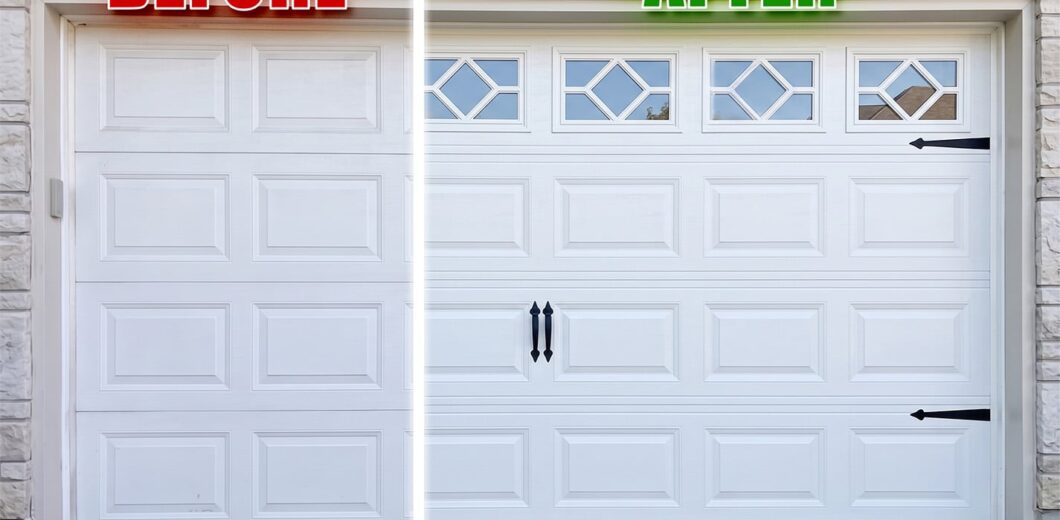
Damaged garage door panels in Parker, CO are often the result of backing into the door, hail impact during Colorado’s spring and summer storm season, or vehicle door contact over many years. Single-panel damage can sometimes be addressed by replacing only the damaged section if the door manufacturer still produces matching panels and the door’s overall structure is sound. Full door replacement makes more sense when multiple panels are damaged, the door is older and matching panels aren’t available, or the damage has compromised the door’s structural integrity.
Weather seal damage is the most overlooked repair in Parker, CO until it creates a visible problem. The bottom seal prevents water, snow, and cold air from entering under the door, while the side and top seals handle the perimeter gap. In Colorado winters, snow and ice accumulation along the bottom seal can bond the seal to the concrete floor. Operating the opener when the seal is frozen to the floor tears the seal away from the door bottom. Clearing snow and ice from the bottom seal before operating the door in winter prevents this failure entirely and is the most cost-effective garage door maintenance habit in Colorado.
Staying Ahead of the Repair Cycle
Most common garage door repairs in Parker, CO are preventable or at least predictable with annual maintenance. Lubrication twice a year, hardware tightening once a year, an annual spring inspection, and regular visual checks of the cables and weather seals catch the problems that become expensive when they’re allowed to develop without intervention. The cost of preventive maintenance is a fraction of what an emergency repair call costs, especially when a broken spring leaves the car trapped in the garage on a workday morning.
Select Garage Doors is a veteran-owned, BBB A+ rated company. Every repair starts with a diagnosis and a written estimate so you know exactly what you’re paying for before any work begins. Call us at 720-339-2442 or request a free quote to schedule your repair in Parker, CO.
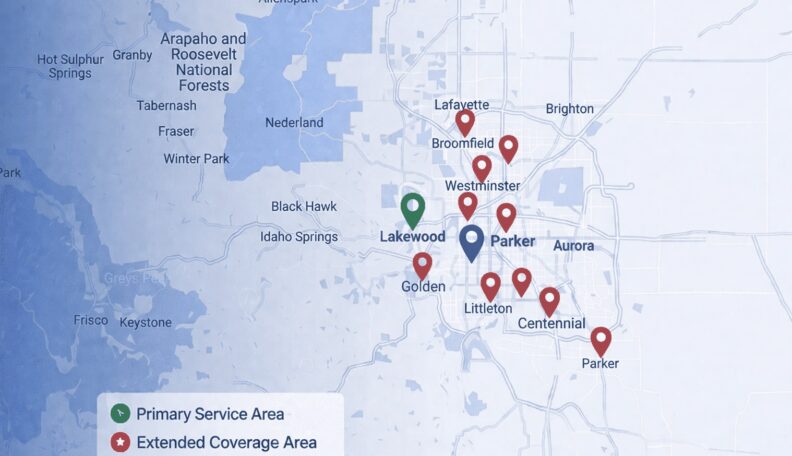
From Parker to Castle Rock, Greenwood Village, Lakewood, and across the Denver metro, Select Garage Doors handles the full range of repairs.
Frequently Asked Questions
How do I know if my garage door spring is broken in Parker, CO?
The most common signs of a broken torsion spring in Parker, CO are: the door won’t open at all or is extremely heavy to lift manually, one side of the door hangs lower than the other, you can see a visible gap in the spring coil above the door, or you heard a loud bang from the garage without another obvious cause. A garage door with a broken spring should not be operated until the spring is replaced. The imbalanced load puts strain on the opener motor, cables, and tracks on every cycle.
Is it safe to replace a garage door spring myself in Parker, CO?
No. Torsion spring replacement is one of the few garage door repairs that carries a genuine risk of serious injury regardless of how mechanically capable the homeowner is. The spring stores enough mechanical energy that a release without proper winding bars and technique can cause a snap that breaks bones or worse. Trained technicians handle this repair with the correct tools and follow DASMA specifications for the specific door weight and spring size. The cost of professional spring replacement is far lower than the cost of an injury or emergency room visit.
Why does my garage door reverse before it closes in Parker, CO?
If your garage door goes partway down and then reverses, the most likely cause is a sensor alignment problem rather than an opener failure. The photo-eye sensors near the floor on both sides of the door need to be aligned with each other and have clear, clean lens faces. A spider web, dirt accumulation, or a sensor that has shifted slightly can cause the reversal. Check that both sensors have solid indicator lights and that nothing is blocking the path between them. If the sensors look aligned and clear, the force adjustment on the opener itself may need recalibration — that’s a job for a technician.
How much does it cost to replace a garage door cable in Parker, CO?
If the cable failure was caused by a broken spring, the spring replacement cost is separate. Select Garage Doors provides a written estimate before any work begins, so you know the total cost upfront. Cable replacement that includes spring inspection and hardware check is the best use of the technician’s time on a single service call.
What does it mean when my garage door makes a grinding noise?
A grinding noise from a Parker, CO garage door usually indicates worn or dry rollers dragging against the track, or the chain or drive gear of the opener itself showing wear. Start by lubricating the rollers, hinges, and the torsion bar bearing plates with a garage door-specific lubricant spray and testing the door again. If the grinding continues after lubrication, the rollers may have worn flat spots or the opener’s drive gear may be showing wear that requires professional assessment. A technician can identify the source quickly and determine whether the fix is a lubrication service or a component replacement.
How long do garage door rollers last in Parker, CO?
Nylon rollers on a residential garage door in Parker, CO typically last seven to ten years under normal use. Steel rollers last longer but create more noise against the track than nylon. Parker’s dry climate and temperature swings don’t dramatically affect roller lifespan, but lubrication is more important than in humid climates because the dry air evaporates lubricants faster. Signs that rollers need replacement include flat spots on the wheel visible on inspection, increased grinding or squealing during operation, and visible wobbling as the door moves along the track.
Looking for a deal?
Call us or to learn about our current promotions and seasonal offers.



Service Area: 50+ Cities Across Metro Denver
Select Your Nearest Location
Hours: Mon-Fri 8am-5pm
Sunday Emergency Only
Avg Response Time: 18 minutes
Hours: Mon-Fri 8am-5pm
Sunday Emergency Only
Avg Response Time: 18 minutes
Hours: Mon-Fri 8am-5pm
Sunday Emergency Only
Avg Response Time: 18 minutes
Hours: Mon-Fri 8am-5pm
Sunday Emergency Only
Avg Response Time: 18 minutes
Hours: Mon-Fri 8am-5pm
Sunday Emergency Only
Avg Response Time: 18 minutes
Hours: Mon-Fri 8am-5pm
Sunday Emergency Only
Avg Response Time: 18 minutes
Hours: Mon-Fri 8am-5pm
Sunday Emergency Only
Avg Response Time: 18 minutes
Hours: Mon-Fri 8am-5pm
Sunday Emergency Only
Avg Response Time: 18 minutes
Hours: Mon-Fri 8am-5pm
Sunday Emergency Only
Avg Response Time: 18 minutes
Hours: Mon-Fri 8am-5pm
Sunday Emergency Only
Avg Response Time: 18 minutes
Hours: Mon-Fri 8am-5pm
Sunday Emergency Only
Avg Response Time: 18 minutes
Hours: Mon-Fri 8am-5pm
Sunday Emergency Only
Avg Response Time: 18 minutes
Hours: Mon-Fri 8am-5pm
Sunday Emergency Only
Avg Response Time: 18 minutes
Hours: Mon-Fri 8am-5pm
Sunday Emergency Only
Avg Response Time: 18 minutes
Hours: Mon-Fri 8am-5pm
Sunday Emergency Only
Avg Response Time: 18 minutes
We Service: Parker, Castle Rock, Greenwood Village, Lakewood, Littleton, Centennial, Highlands Ranch 40+ More Cities