

Table of Contents
- Key Takeaways
- Understanding Garage Door Power Issues
- Common Reasons for Garage Door Power Not Working
- Step-by-Step Troubleshooting for Garage Door Power Not Working
- When to Call a Professional
- Preventative Tips to Avoid Power Issues in the Future
A broken garage door opener can throw off your whole day, especially in Parker, CO where garage access is part of the daily routine. Select Garage Doors is available when troubleshooting steps do not resolve the problem, but this guide walks through the most common causes and fixes first.
Maybe you are rushing out the door, arms full of groceries, or just trying to park. If your garage door will not budge, everything comes to a stop. In most cases, the solution is simpler than you think.
In this guide, we will walk you through troubleshooting the power issues and getting your garage door opener back in action.
Key Takeaways
- A non-responsive garage door opener is often caused by power supply issues, faulty wiring, or a bad motor.
- Always check outlets, breakers, cables, and remote batteries first.
- Power surges and electrical interruptions can damage internal components.
- If the motor hums or makes odd noises, it may need repair or replacement.
- Regular maintenance and surge protectors can prevent future issues.
- Call a professional if you spot wiring damage, motor failure, or if DIY steps do not work.
Understanding Garage Door Power Issues
You press the opener button and nothing happens. The lights do not flash, the motor does not hum, and your garage door stays firmly shut. In most cases, the problem lies with your opener power source, wiring, or internal components. Whatever the cause, troubleshooting it quickly can save you time, money, and headaches.
Common Reasons for Garage Door Power Not Working
1. Power Supply Problems
 The first thing to check is whether your garage door opener is actually getting power. Sometimes the issue is as simple as a loose connection, a tripped circuit breaker, or a blown fuse. Make sure everything is plugged in, and check your home electrical panel for any tripped breakers.
2. Broken or Disconnected Cables
Wear and tear can cause cables to break or slip out of their connections, leading to a loss of power. If you suspect a wiring issue, it is best to call in a professional to inspect and repair the system.
3. Faulty Garage Door Opener Motor
 The motor of your garage door opener is the heart of the system. If it stops working, your door will not open. Motors can fail for many reasons, including internal mechanical failures. When this happens, the motor will need to be repaired or replaced.
4. Power Surges or Interruptions
Sudden power surges or interruptions due to storms, electrical grid problems, or other electrical issues can also cause your opener to lose power. A power surge can fry delicate components inside your opener.
Step-by-Step Troubleshooting for Garage Door Power Not Working
Step 1: Check the Power Source
Double-check that your garage door opener is plugged into a working electrical outlet. If it is plugged into an extension cord, make sure that cord is also connected to a working outlet.
Step 2: Inspect the Garage Door Opener Motor
Try unplugging the opener for a few minutes and then plugging it back in. Sometimes a simple reset can get the motor back to work.
Step 3: Test the Remote and Wall Switch
 Check the batteries in your remote first. If the remote is fine, test the wall-mounted switch. If neither works, you may need to replace the remote or switch.
Step 4: Examine the Cables and Wiring
Check for any visible signs of wear or damage on the power cables and wires. Disconnected or damaged cables are a common cause of garage door power failure. If you are not comfortable working with electrical systems, hire a technician to inspect the wiring.
When to Call a Professional
If you have gone through the steps above and your garage door still is not working, it may be time to call in garage door opener repair in Parker.
Here are a few signs you should call a professional:
- The motor is making odd or loud noises that you cannot fix.
- There is visible damage to the opener or wiring.
- You have tried everything, but the door still will not open.
- You do not feel comfortable working with electrical components or wiring.
Preventative Tips to Avoid Power Issues in the Future
Here are some preventative tips to keep your garage door opener running smoothly:

- Regular Maintenance: Regularly inspect your garage door opener, cables, and wiring to identify any wear and tear before it causes a problem.
- Surge Protection: Install a surge protector to protect your opener from power surges or electrical interruptions. If you are also evaluating installation options, choosing the right garage door opener installation service covers what to look for in a provider.
- Upgrade to a Modern Opener: If your opener is old and often malfunctions, consider upgrading to a newer model. What to look for when upgrading to a newer garage door opener is worth reviewing before making that call.
Garage Door Opener Power Failure in Parker? Here Is What to Do Next
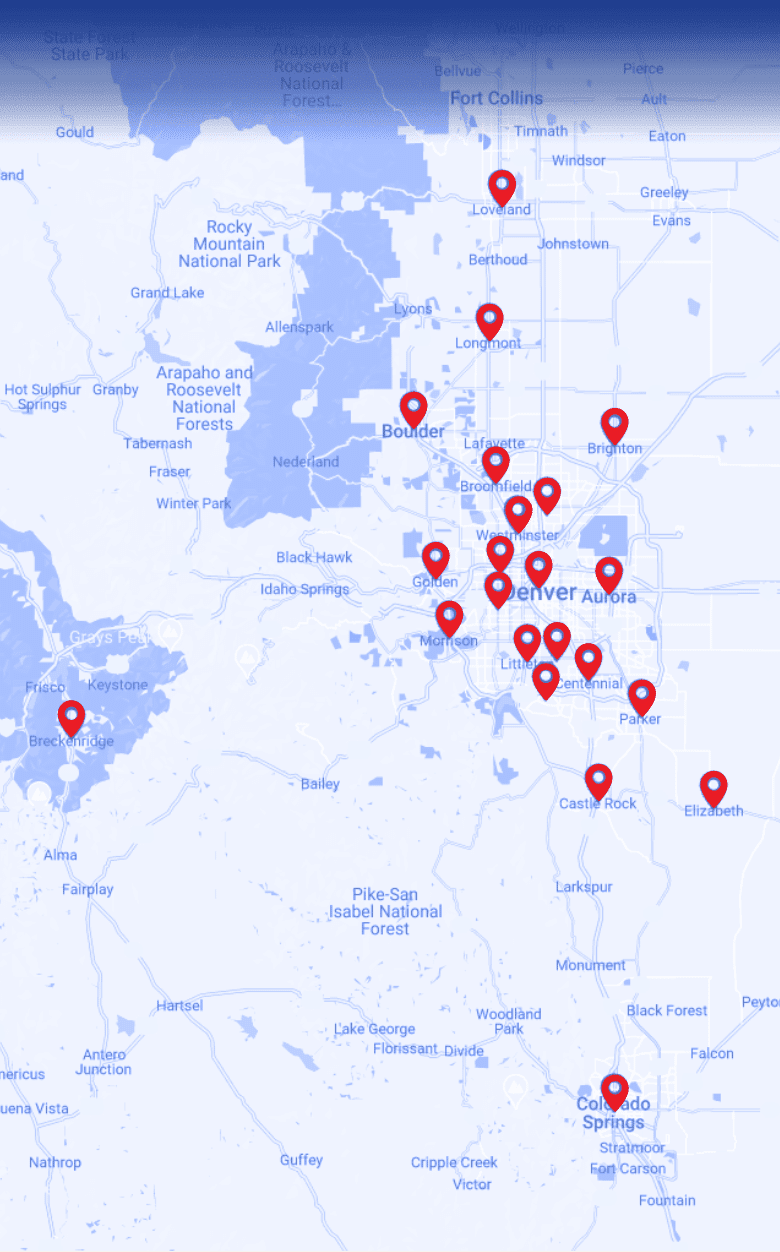
With these troubleshooting steps, you are well on your way to solving the problem. If the problem persists or seems beyond your expertise, do not hesitate to call in a professional. Power failures, motor issues, and wiring problems all fall within what Select Garage Doors handles for opener issues across Parker, CO. If you have worked through these steps and the door still will not respond, schedule power failure repair in Parker today and we will diagnose the issue and restore reliable operation. Available throughout Parker, Castle Rock, Greenwood Village, Lakewood, and the wider Denver metro. Call (720) 339-2442 any time.
Frequently Asked Questions
Why is my garage door opener not responding at all?
A completely unresponsive garage door opener is most often caused by a loss of power to the unit, typically a tripped circuit breaker, a blown fuse, or a disconnected power cord. It can also result from dead remote batteries, faulty internal wiring, or a failed motor.
How do I check if my garage door opener is getting power?
Verify that the opener power cord is securely plugged into the outlet. Then inspect your home electrical panel for any tripped breakers. You can also plug a different device into the same outlet to confirm whether the outlet itself is functioning. If the outlet has power but the opener still does not respond, the issue may be internal to the unit.
Can a power surge damage a garage door opener?
Yes, power surges can damage the internal circuit board, motor, and other electronic components of a garage door opener. Installing a surge protector on the outlet used by the opener is a common preventative measure to reduce this risk.
What does it mean if my garage door opener hums but the door does not move?
A humming sound without door movement typically indicates that the motor is receiving power but is unable to drive the door, often due to a mechanical obstruction, a broken drive gear, or a disconnect between the motor and the trolley.
When should I call a professional for a garage door power issue?
Call a technician when there is visible damage to the wiring or motor, when the motor hums but the door does not move, or when basic troubleshooting steps have not resolved the issue after several attempts. Electrical wiring repairs and motor replacements involve safety risks that typically require trained technicians.
How Colorado’s Power Grid and Climate Make Parker Openers Vulnerable
Parker, Colorado, sits at 5,869 feet above sea level on the Front Range, and the electrical infrastructure serving Douglas County faces unique stress from the region’s weather patterns. Colorado hail season runs from April through September, and the Colorado Climate Center reports the Front Range averages 9 to 10 hail days per year. Summer thunderstorms that produce hail also generate lightning, and lightning strikes on the grid produce voltage spikes that travel through household circuits in milliseconds. A garage door opener without a surge protector on its dedicated outlet is fully exposed to those spikes. Beyond storms, the Front Range’s daily temperature swings of 40 to 60 degrees Fahrenheit stress the power circuit components inside the opener unit itself. Rubber seals in the motor housing expand and contract with each temperature cycle, and in older LiftMaster and Chamberlain units, that repeated flexing can loosen internal wire connections over time. Parker homeowners who notice their opener becomes less reliable in November or after a summer storm should check both the outlet GFCI and the surge protection status before assuming the opener motor has failed. A $20 surge protector on the opener’s outlet is one of the most cost-effective preventive measures available.
When to Use the Emergency Release Cord After a Parker Power Outage
Every garage door opener manufactured to comply with the UL 325 safety standard includes a red emergency release cord hanging from the trolley on the center rail. In Parker, Colorado, knowing how to use this cord before a power outage occurs can prevent a frustrating situation when you are trying to leave during an outage. To disengage the door from the opener, pull the red cord straight down and toward the door when the door is fully closed. This disconnects the trolley from the drive carriage, allowing you to lift or lower the door manually. The door will feel heavier than expected on a single-spring extension spring system, since the springs only partially counterbalance the door weight when the opener is disconnected. On a torsion spring system in good working order, the door should lift with moderate effort and stay open on its own at the halfway point. If your door feels extremely heavy or will not stay open, the springs may need service. Once power is restored, re-engage the trolley by pulling the red cord toward the opener motor unit and then running one complete open-and-close cycle to re-lock the carriage. If the door does not re-engage cleanly, Select Garage Doors on South Pine Drive in Parker can inspect the trolley mechanism.
Battery Backup Systems for Parker Garage Door Openers: What to Know
Modern garage door opener models, including the LiftMaster 84501R and the LiftMaster 8500W wall-mount unit, include integrated battery backup systems that provide approximately 20 complete open-and-close cycles during a power outage. For Parker, Colorado, homeowners who lose power regularly during summer thunderstorm season or winter snowstorms, a battery backup opener eliminates the need to use the emergency release cord at all. The battery backup module in these units charges continuously when the opener has grid power, similar to a UPS for a computer. When evaluating whether to repair an older opener or upgrade to a battery backup model, the relevant comparison is not just cost but frequency of outage exposure. Parker’s Front Range location puts it in one of Colorado’s more active thunderstorm corridors. Select Garage Doors carries battery backup opener models compatible with most residential door weights and sizes throughout Parker and the Denver metro. Select Garage Doors can assess your door weight and track configuration to confirm which battery backup opener models are compatible with your setup.
| Symptom | Likely Cause | DIY Check | Call a Pro If… |
|---|---|---|---|
| Opener completely unresponsive, no lights | No power reaching the unit | Check outlet with another device; inspect breaker panel for tripped breaker | Outlet has power but opener still does not respond after replug |
| Remote does not work, wall switch does | Dead or failing remote battery or signal interference | Replace remote battery; reprogram remote per manufacturer steps | New battery and reprogramming do not restore remote function |
| Motor hums but door does not move | Mechanical obstruction, broken drive gear, or disconnected trolley | Inspect the track for obstructions; confirm trolley is engaged | Track is clear, trolley is engaged, door still will not move |
| Opener worked once after outage, now dead again | Power surge damaged internal circuit board | Unplug and replug after 60 seconds; check if surge protector tripped | Hard reset does not restore function; lights flash error codes |
| Door opens partway then reverses | Limit setting off, sensor misalignment, or obstruction | Verify sensor lights are solid (not blinking); clear sensor path | Sensors are clear and aligned, reversal still occurs |
| Opener makes grinding noise on operation | Worn or stripped drive gear inside the motor unit | Disconnect opener and manually lift door to confirm door moves freely | Grinding persists; drive gear or motor requires internal inspection |