

Before hiring a garage door designer in Parker, CO, ask about material options (steel, wood, aluminum, composite), warranty coverage for both panels and labor, local experience with Colorado wind loads and freeze-thaw conditions, references from Douglas County homeowners, and the full installation timeline including lead times for custom orders.
Your garage door takes up roughly 30 to 40 percent of your home’s front-facing exterior. For Parker homeowners, it also has to hold up against hail, dramatic temperature swings between harsh winters and hot summers, and UV exposure at an elevation that accelerates fading faster than most coastal or southern climates. Choosing a designer who looks good on paper but doesn’t understand those conditions is a costly mistake.
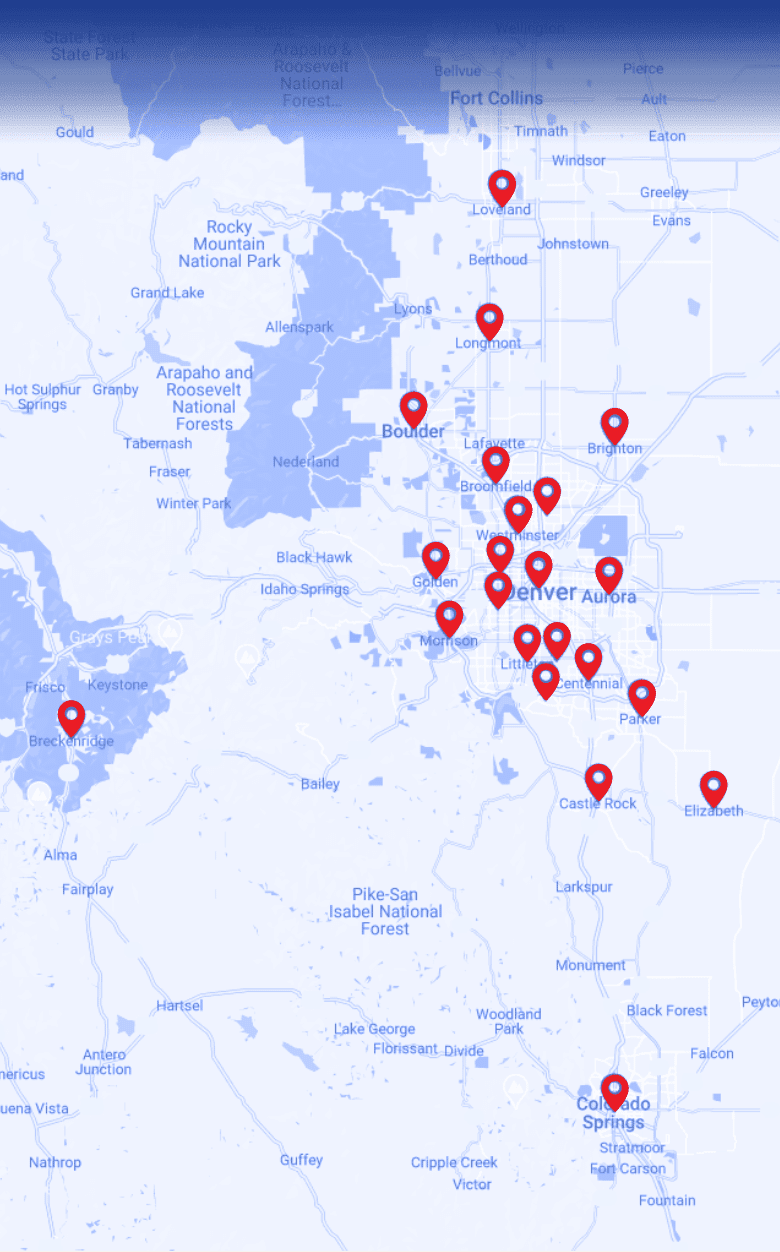
Select Garage Doors has served Parker, Castle Rock, Greenwood Village, and Lakewood homeowners for 20+ years as a veteran-owned, family-operated company with a BBB A+ rating and LiftMaster authorized dealer status. Contact us today for a free estimate with no service call fee.
1. What Types of Materials Can You Use?
Ask about the material options available and confirm the designer has installed each one in Colorado conditions. A door that performs well in a mild climate may not be the right spec for Parker. The right answer depends on your home’s architecture, your HOA requirements, and how much ongoing maintenance you’re willing to do.
Why Steel Is the Practical Choice for Most Parker Homes
Steel is the most common residential material in the Parker area for good reason. It resists hail impact, handles freeze-thaw cycles without warping, and holds insulation well when the panels use a polyurethane foam core. Steel panels come in 24-gauge and 25-gauge; 24-gauge is thicker and more dent-resistant. For a home in a hail-prone neighborhood, the gauge difference matters more than it might seem after a late-spring storm.
Wood and Composite Options for Curb Appeal
Wood doors deliver unmatched architectural character and work well on craftsman, farmhouse, and transitional-style homes common throughout Parker’s established neighborhoods. The trade-off is maintenance. At Parker’s elevation, UV radiation accelerates paint and stain fading, so wood doors need more frequent attention than they would at lower altitudes. Composite and wood-look fiberglass panels offer the aesthetic of real wood without the moisture sensitivity, making them worth asking about if you want the look without the upkeep. Once you settle on a material, garage door installation in Parker can move quickly for standard sizes.
What to Listen for in the Answer
A designer who defaults to one material without asking about your exposure, HOA guidelines, or insulation goals isn’t doing the job. The right answer is a conversation, not a catalog. Ask about garage door accessories like window inserts and decorative hardware while you’re at it.
2. What Type of Warranty Do You Offer?
Ask about the length of coverage and exactly what repairs are included. A manufacturer’s product warranty typically covers panels, hardware, and finish for one to ten years depending on the product line. An installer’s labor warranty usually covers workmanship for one to two years. Get both in writing before any work begins.
Finish Warranty and Colorado’s UV Exposure
Ask specifically whether the finish warranty covers fading and chalking, not just physical damage. Parker’s elevation means stronger UV than homeowners in lower-altitude markets typically experience, and painted or stained finishes degrade faster. A warranty that only covers cracking panels but not a finish that chalks out in two years isn’t worth much in this market. Pairing a good warranty with a regular garage door maintenance plan extends the life of any door significantly.
Spring and Hardware Exclusions
Springs are consumable components with rated cycle lives. Residential torsion springs are typically rated for 10,000 to 20,000 cycles, so some warranty exclusion on springs and cables is standard practice. Ask specifically what hardware is excluded and what the expected cycle life is on any spring the designer installs. You should know that going in, not after a spring fails at 18 months.
Who Handles Warranty Service
Ask whether the company handles warranty service directly or routes you back to the manufacturer. A designer who routes you to the manufacturer for panel defects means you’re making calls, waiting on parts, and potentially paying for labor even within the warranty period. Direct service is the cleaner arrangement.
3. How Much Experience Do You Have in This Field?
Ask specifically how many residential projects the designer has completed in Parker and Douglas County, not just their total years in business. Local experience with Colorado HOA requirements, Front Range wind conditions, and the architectural styles common to Parker subdivisions carries more weight than general tenure.
Why Local Experience in Parker Specifically Matters
Parker homeowners deal with a specific set of variables that can catch a designer unfamiliar with the area off guard. HOA design guidelines in subdivisions like Stroh Ranch, RidgeGate, and Pradera often restrict panel profiles, colors, and hardware finishes. A designer without prior experience in these communities may not flag approval requirements until after a non-refundable order is placed. Front Range wind events create wind load demands on exposed lots east of Parker and in communities like the Pinery that a generic residential spec may not account for.
References to Ask for Specifically
When you ask for references, ask for Parker or Douglas County projects completed within the last two years. Two or three names you can call directly will tell you more than a curated testimonials page. Ask those references specifically whether the designer addressed local conditions: hail season timing, HOA approvals, and how the door performed through its first Parker winter.
What a Strong Experience Answer Looks Like
A designer with genuine local experience will mention specific neighborhoods, reference the HOA approval process without being prompted, and know which door profiles comply with common Douglas County subdivision guidelines. Vague answers about “serving the Denver Metro area for many years” without specifics about Parker work are worth following up on before you commit.
4. Do You Have Any References or Reviews That I Can Read?
Ask for at least two to three references from Parker or Douglas County homeowners, and look for Google reviews tied to the local area rather than aggregate ratings across a broad service region. The difference between a five-star review from a mild-climate homeowner and one from a Parker homeowner who went through a hailstorm six months after installation is significant.
What to Ask References Directly
When you call a reference, ask three specific questions: Did the designer address HOA approval requirements before placing the order? How did the installation hold up through its first Colorado winter? And did the company respond promptly when you needed anything after the job was complete? Those three answers give you a clearer picture than any rating.
BBB Standing and Third-Party Verification
BBB standing is harder to manufacture than a cluster of five-star reviews. A company with a BBB A+ rating and 20+ years of work in a single market has a verifiable track record. Check a company’s BBB profile in addition to Google reviews. It shows complaint history and resolution, not just satisfied customers who left a review.
Where to Find Reliable Local Reviews
Google reviews filtered to Parker and Douglas County, the BBB profile, and direct references from the designer are the three most reliable sources. Avoid making decisions based primarily on reviews embedded in the designer’s own website. Those are curated.
5. How Quickly Will the Work Be Completed?
Ask for a complete timeline in writing before approving any project: material lead times, installation day duration, and what happens if a complication arises. The total project clock runs from order placement to final walkthrough, and those two dates can be weeks apart for custom work.
Lead Times for Custom and Specialty Doors
Parker homeowners who choose custom wood-grain composites, specialty window inserts, or factory-matched paint colors often don’t realize those items require a factory order. Standard insulated steel doors in common sizes are typically available within days, while custom configurations take three to six weeks. Confirm availability before placing the order if you have a deadline.
What a Good Installation Day Looks Like
A professional installation crew should remove the old door, install the new one, test the opener integration, confirm the photo-eye sensors are aligned (required by federal law on all residential openers since 1993), adjust spring tension for the door’s weight, and walk you through operation before they leave.
What to Ask About Complications
Ask directly how the designer handles an installation day problem: a damaged panel on delivery, an opening that’s out of square, or a spring that needs a non-standard replacement. A company with solid local experience will have a clear answer. One that hasn’t thought through this scenario is one that may leave your garage unsecured while they figure it out.
What the Right Designer Looks Like for Parker Homeowners
Asking these five questions before choosing a designer will help you make an informed decision and get your project completed correctly and on time. With this information, you can move forward knowing you’re hiring a professional who understands what Parker homes actually require.
At Select Garage Doors, we have been helping Parker homeowners make confident garage door decisions for over 20 years. Call us today to schedule your free estimate.
For more on the selection process, tips for choosing the best garage door designer and a look at how designers balance function with aesthetics are worth reading alongside this guide.
Frequently Asked Questions About Garage Door Designers in Parker, CO
What does a garage door designer do?
A garage door designer helps homeowners choose the right garage door style, material, and features to match their home’s design, budget, and functional needs, then oversees proper installation from material selection through final hardware adjustment and opener integration.
How do I choose the right garage door designer in Parker, CO?
Choose a garage door designer with proven local experience in Douglas County, strong Parker-specific references, multiple material options, clear written warranties covering both materials and labor, and a realistic project timeline. Asking the right questions upfront helps avoid costly surprises after the contract is signed.
What materials are best for garage doors in Colorado?
Insulated steel is the most practical choice for most Parker homes because of its durability through hail, resistance to freeze-thaw cycles, and lower long-term maintenance compared to wood. Steel, insulated composite, and wood-look panels are all popular in Colorado due to their resistance to temperature swings and UV exposure at altitude.
Do garage door designers offer warranties?
Yes. Reputable designers offer separate warranties for materials and workmanship. Always confirm what is specifically included in each, how long each period runs, whether finish fading is covered, and whether the company handles warranty service directly or routes claims back to the manufacturer.
How long does garage door design and installation take?
A standard residential installation runs four to eight hours for an experienced crew. Custom or factory-ordered materials add three to six weeks of lead time before installation day. The full project clock runs from order placement to final walkthrough, and those dates can be weeks apart for specialty doors.
Why are local Parker reviews important when hiring a garage door designer?
A Parker homeowner’s review of a door that survived its first Colorado hail season tells you more than a generic five-star rating. Designers familiar with Colorado wind load requirements, freeze-thaw conditions, and Douglas County HOA guidelines produce more durable results than those working off a national template.
How much does a garage door installation cost in Parker, CO?
Costs vary based on material, door size, insulation level, and customization. A professional designer will provide a clear written estimate before any work begins. That estimate should break out materials, labor, and any permit fees separately so you can evaluate each component.
Can a garage door upgrade increase my home’s resale value?
Yes. A professionally designed and installed garage door improves curb appeal and is consistently ranked among the highest-ROI exterior upgrades a homeowner can make. In Parker’s competitive real estate market, updated exterior details, including the garage door, influence buyer perception before they step inside.
What should I ask a garage door designer about HOA requirements?
Ask whether the designer has worked in your specific subdivision before and whether they handle HOA documentation and approval as part of the project. Many Parker subdivisions restrict panel profiles, colors, and hardware finishes. A designer who doesn’t raise this question before placing an order may leave you with a non-compliant door and a problem to solve.
What is R-value and why does it matter for Parker garage doors?
R-value measures thermal resistance. A higher number means better insulation. Parker winters bring extended cold stretches, so an insulated door with an R-value of at least R-12 to R-16 is a practical minimum for an attached garage that shares a wall with living space. The U.S. Department of Energy recommends insulated garage doors in cold climates to reduce heat loss and lower home heating costs.